Gold Crash: Buy the Dip or Stay Away?
Sep 1, 2026, 14:30 IST
Summary
The debate on whether to buy gold amid its crash features diverse perspectives. Neha Nagar supports buying, citing gold's historical resilience. Udayan Adhye warns against hasty purchases due to potential price drops. Anant Ladha suggests a cautious long-term approach, while Sanjay Kathuria emphasizes the potential for future gains. Bhagyashree Thakkar points to external economic factors influencing gold's fate.
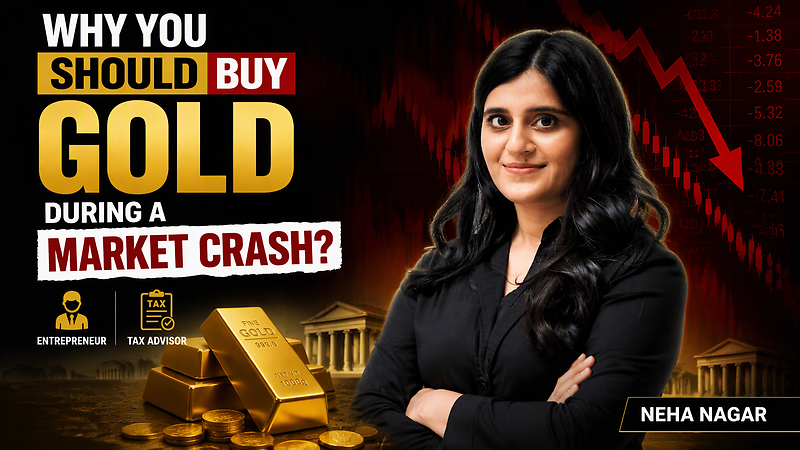
The recent crash in gold prices has sparked a heated debate among financial influencers about whether now is the time to buy the dip or avoid gold altogether. Neha Nagar, a popular financial commentator, argues that gold has historically performed well during market crises, citing its 20-year return of 13-14%, which she claims is nearly equal to equities. She points to past instances like the COVID-19 pandemic and geopolitical tensions, asserting, "Gold is a safe haven during geopolitical instability." Nagar emphasizes that gold retains its purchasing power, allowing it to cover two to three months' expenses in India.
On the other hand, Udayan Adhye warns potential buyers to think twice before investing. He notes that while gold prices in India are dropping, global prices are rising, creating a disconnect that could lead to further losses. He explains, "The government is discussing lowering import duties from 15% to 6%, which could reduce gold costs in India by approximately 7.8%." Adhye stresses the importance of consistency in gold pricing, especially given its significance in Indian culture.
Anant Ladha, a financial advisor, presents a more cautious approach. He acknowledges that he previously bought gold during a peak in January but now considers selling to reinvest at a lower price. He argues against hasty decisions based on short-term volatility, stating, "Gold is a ten-year asset, so investors need a minimum long-term holding mindset." Ladha suggests that investors consider systematic investment plans (SIP) to mitigate the fear of missing out (FOMO).
In another video, Ladha discusses China's impact on gold prices, noting that while China has restricted leveraged trading, it has also been buying gold in large quantities, indicating a potential rebound. He argues, "China's buying could signal a future recovery in gold prices, despite current volatility."
Sanjay Kathuria, a finance expert, highlights the significant drop in gold prices, which have fallen 28% from their peak. He points out that major financial institutions predict gold could reach $6,000 per ounce, despite the current downturn. Kathuria attributes the decline to factors such as rising U.S. interest rates and central banks slowing their gold purchases. He advises investors to avoid panic selling and maintain their gold allocations.
Bhagyashree Thakkar, a financial analyst, emphasizes that gold prices are influenced by U.S. bond yields and the strength of the dollar. She notes that while gold has fallen, central banks are still buying, which could indicate a stabilizing demand in the long run. Thakkar warns that the future trajectory of gold will depend significantly on U.S. interest rate policies.
In conclusion, the debate surrounding whether to buy gold amid its recent crash reveals a spectrum of opinions. While some creators advocate for buying the dip based on historical performance and long-term potential, others urge caution, highlighting current economic indicators and the need for a strategic approach to investing in gold.