Israel-Palestine Debate: Identity, Security, and the Quest for Peace
Oct 31, 2026, 22:59 IST
Summary
The Israel-Palestine debate features diverse perspectives on identity, security, and peace. Youtuber khanversation critiques Israel's prioritization of Jewish identity over democracy and argues that peace has become a tool for security. Shubhankar Mishra highlights Palestinian oppression, while journalist Rifat Jawaid emphasizes the dehumanization of Palestinians and ethical concerns around international investments. Together, these voices illuminate the conflict's complexities.
The ongoing Israel-Palestine debate raises critical questions about identity, security, and the pursuit of peace. Voices from various content creators present starkly different perspectives on these issues, revealing a complex landscape of opinions.
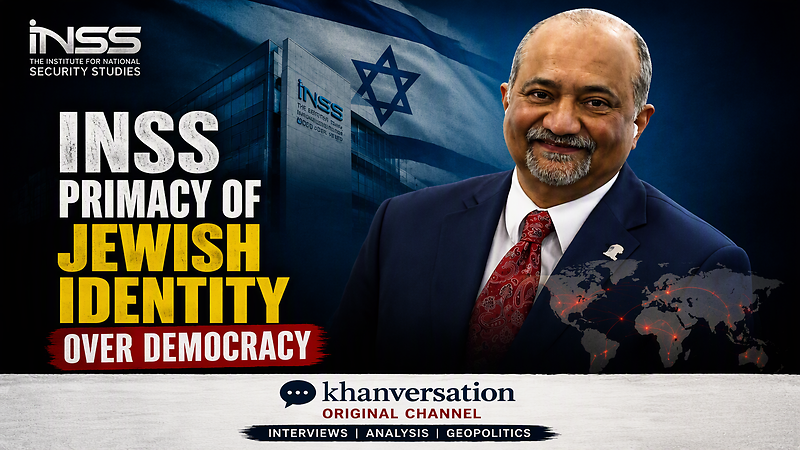
Youtuber khanversation argues that the Israel National Security Studies (INSS) prioritizes Israel's Jewish identity over its democratic values. In a video discussing the primacy of Jewish identity, he claims, "Prioritizing Jewish identity subordinates Arab, Christian, and Muslim identities," suggesting that this approach leads Israel to operate as an apartheid state. He contends that the current debate within Israel about balancing its Jewish identity with democratic governance has reached a conclusion: maintaining a Jewish state may ultimately erode its democratic values.
In another video, khanversation further critiques Israel's current security logic, stating, "Israel’s security camp prioritizes security over peace and accepts perpetual war." He reflects on historical agreements like the land-for-peace deal with Egypt, arguing that peace is now merely a means to an end, primarily serving security interests. This perspective challenges the notion that Israel is actively seeking peace, positing instead that it is entrenched in a state of perpetual conflict.
Shubhankar Mishra, a popular influencer, adds to the discourse by highlighting the plight of Palestinians, stating, "Palestinians were expelled from their homes, and oppression continues." He argues that major powers tolerate this injustice for their own interests, questioning the feasibility of lasting peace. His assertion underscores the deep-rooted historical injustices that complicate the path toward resolution.
Meanwhile, Rifat Jawaid, a journalist, paints a harrowing picture of the Palestinian experience. In a video discussing media representation, he states, "Palestinians are silenced, misrepresented, and dehumanised while their families face mass killing." He emphasizes the trauma faced by Palestinian children, who grow up in a landscape marked by violence and despair, challenging the audience to reconsider the narratives surrounding their suffering.
Jawaid also addresses the complicity of international investments in the conflict. He discusses the case of Elbit Systems, a company previously excluded from investment due to its production of cluster munitions. He raises ethical concerns about Australian investments in companies profiting from the violence in Gaza, stating, "22,000 children have been killed in Gaza." This critique highlights the intersection of politics, ethics, and economics in the ongoing conflict.
The debate around Israel and Palestine remains fraught with tension, with creators like khanversation, Shubhankar Mishra, and Rifat Jawaid providing diverse yet interconnected viewpoints. While khanversation emphasizes the challenges of Israeli identity and security, Mishra and Jawaid focus on the urgent need for recognition of Palestinian rights and the humanitarian crisis unfolding in the region. Together, these voices reflect the complexity of a conflict that is not merely about land but deeply intertwined with identity, security, and the quest for justice.