Jobless Graduates: Skills Gap or Insufficient Opportunities?
Nov 2, 2026, 11:10 IST
Summary
The debate on jobless graduates in India highlights two main perspectives: a skills gap among graduates and insufficient job opportunities. Neha Nagar emphasizes the need for soft skills, while others like Pooja Prasanna and Sakshi Joshi argue for systemic changes and industrial investment to create jobs. Direct actions from figures like Prashant Kishor also suggest a potential path forward.
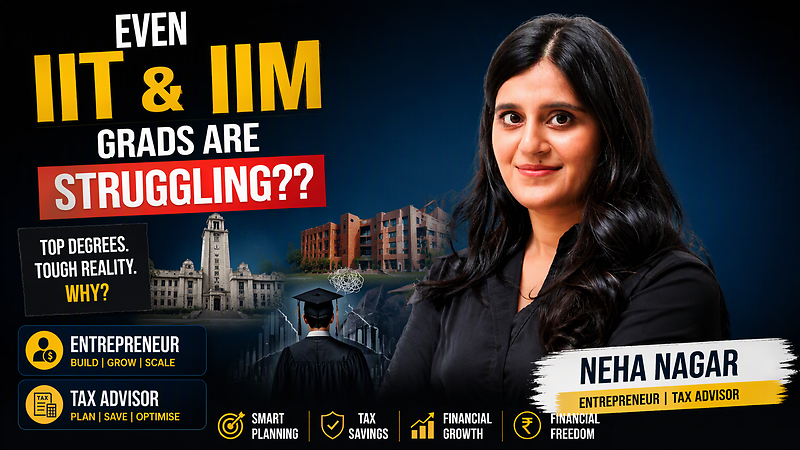
The ongoing debate about jobless graduates in India centers on whether the issue stems from a skills gap or a lack of job opportunities. Youtuber Neha Nagar highlights alarming statistics, stating that 37% of graduates from prestigious institutions like IIT and IIM are unemployed. She notes that even in top universities like Harvard and Stanford, the unemployment rate is 27%. In her view, the problem lies in missing soft skills among young graduates, with employers citing issues such as poor communication, teamwork, and a sense of entitlement. Nagar argues that many young graduates believe they are entitled to high positions without possessing the necessary skills or experience.
In a different video, Neha Nagar explores the broader context of India's young population, arguing that despite the potential demographic dividend, unemployment rates are not decreasing. She claims, "India's demographic dividend risks becoming a demographic burden or disaster," stressing that without a supportive economic ecosystem, the potential of young Indians remains underutilised. This perspective suggests that the problem is not solely about individual skills but also about systemic failures in providing adequate job opportunities.
Another creator, Neha Nagar, refers to a report from Azim Premji University, which indicates that only 4% of graduates secure jobs in their graduation year. This statistic underscores the stark reality that out of 8 million graduates entering the job market annually, many remain unemployed. She argues that young graduates need to acquire skills suitable for gig work, such as social media training and AI data labeling, as traditional job markets are failing to absorb them.
Contrastingly, Youtuber Ajit Anjum points out that immediate solutions are necessary for the unemployed youth. He claims that Prashant Kishor has promised to help at least 10,000 unemployed youths find jobs by leveraging his connections in the private sector. Anjum's focus on direct action highlights a different approach to addressing the unemployment crisis, suggesting that solutions can be implemented without waiting for systemic changes.
In a similar vein, Pooja Prasanna presents statistics indicating that approximately 5 million young Indians enter the workforce annually, but only 2.8 million find jobs, with about 1.7 million securing salaried positions. She emphasizes that the widening gap between job seekers and available jobs complicates the transition from education to employment.
In a critique of the government's role, Sakshi Joshi argues that the lack of industries, particularly along the Ganga Expressway, directly contributes to job scarcity. She insists that without industrial investment, the job market will continue to suffer, highlighting the need for government action in creating employment opportunities.
Moreover, Ulta Chasma's Pragya Mishra raises concerns about the software job market, pointing out that companies like Zoho have frozen employee increments due to uncertainty in the industry. She warns that this situation may lead to layoffs, further exacerbating the job crisis for graduates seeking stable employment.
Overall, the debate reveals a complex interplay between individual skills and systemic issues in the job market. While some creators argue for the necessity of skill development, others focus on the urgent need for job creation and industrial investment to absorb the growing number of graduates entering the workforce.