Navigating UPI Fraud: Are Digital Payments Safe?
Oct 12, 2026, 18:54 IST
Summary
The safety of digital payments through UPI is debated among content creators. Naman Deshmukh warns about fake apps and UPI scams, urging users to verify transactions. Pragya Mishra discusses upcoming regulations that introduce fees for certain transactions, raising privacy concerns. Prakhar Gupta emphasizes security measures but acknowledges vulnerabilities, highlighting the need for user education.
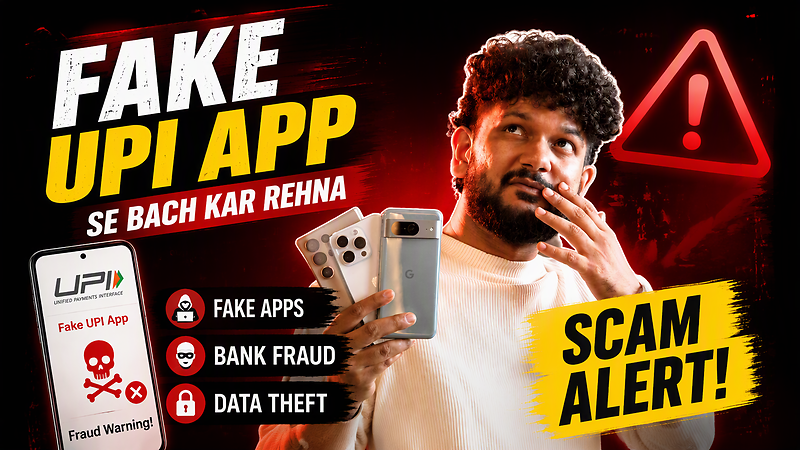
The debate surrounding the safety of digital payments, particularly through the Unified Payments Interface (UPI), has intensified as various content creators weigh in on the risks and security measures involved. Popular YouTuber Naman Deshmukh highlights the dangers posed by fake UPI apps, warning viewers in his video about scams. He asserts, "Fake PhonePe, Paytm, and Google Pay apps resemble genuine payment applications," indicating that users are often misled by these counterfeit platforms. Deshmukh emphasizes the need for users to verify transactions and bank balances before accepting payments, advocating for vigilance in a landscape rife with deceit.
In a separate video, Naman Deshmukh elaborates on specific scams related to UPI transactions, particularly on platforms like OLX and Facebook Marketplace. He advises, "UPI PINs are required only for sending money, never for receiving payments," a crucial distinction that many users overlook. He warns that scammers often pressure users to enter their UPI PINs under false pretenses, leading to unauthorized debits from their accounts. Deshmukh’s insights underscore a critical need for education on safe practices when using UPI.
Contrastingly, Ulta Chasma’s Pragya Mishra discusses upcoming regulatory changes that may affect UPI users. In her video, she explains that starting from 15 October, UPI merchant payments above ₹2,000 will incur a 0.4% Merchant Discount Rate (MDR). She argues that this tracking will help the government monitor financial transactions, stating, "UPI tracking would reveal incoming funds and spending destinations." While Mishra’s perspective focuses on the regulatory side, it raises concerns about user privacy and the implications of increased oversight in digital payments.
Adding another layer to the discussion, cybersecurity expert Prakhar Gupta addresses the security measures surrounding UPI transactions. He notes that while businesses may spend significant time managing One-Time Passwords (OTPs), there are additional safeguards like SIM binding that enhance security. Gupta points out, "If the OTP itself is hacked, that is the last line of defense," suggesting that while current measures have improved, vulnerabilities remain.
The creators collectively highlight the complexities of using UPI, with Deshmukh emphasizing the risks of scams and the importance of user awareness, while Mishra brings attention to regulatory changes that may impact how users engage with digital payments. Gupta’s focus on security measures further complicates the narrative, illustrating that while technology evolves, the potential for fraud remains a pressing concern. In this multifaceted debate, the consensus is clear: as digital payment methods become more prevalent, the need for vigilance and education is paramount to safeguard against fraud.