UPI Charges Over ₹2,000: Who Bears the Cost?
Oct 13, 2026, 20:45 IST
Summary
The debate over UPI charges exceeding ₹2,000 features diverse perspectives. Sanjay Kathuria argues for exemptions for small businesses, while another of his videos claims ordinary UPI transactions remain free. Critics like Saurabh Shukla and Shubhankar Mishra question the fairness of new fees, suggesting they burden consumers, while Pooja Prasanna highlights the operational costs behind UPI's free usage.
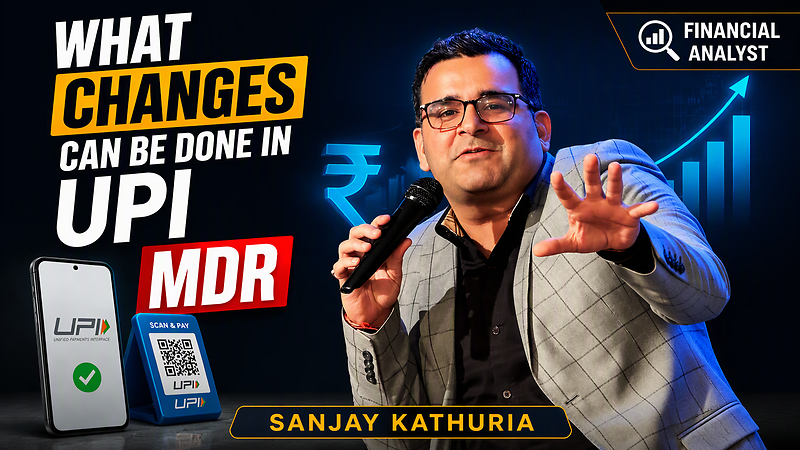
As the debate intensifies around the new UPI charges, content creators are weighing in with differing perspectives on who will ultimately pay. Sanjay Kathuria, a popular YouTuber, argues that small businesses earning up to ₹20–25 crore annually should be exempt from the Merchant Discount Rate (MDR), stating that imposing fees on them could consume a significant portion of their already thin margins. He suggests that essential transactions, such as purchasing insurance or train tickets, should also be exempt from charges, and advocates for capping the MDR at ₹99 instead of ₹300.
In contrast, another video by Sanjay Kathuria, titled "UPI Charges Are Changing… But You May Pay ₹0!", clarifies that ordinary UPI payments through platforms like Google Pay, PhonePe, and Paytm will remain free for users. He notes that charges only apply to transactions exceeding ₹2,000, with a nominal 0.4% fee being paid by larger businesses, not consumers. This perspective suggests that the impact on everyday users will be minimal, as 96% of UPI transactions fall below this threshold.
CA Bhagyashree Thakkar echoes some of Kathuria's points, explaining that person-to-person UPI transactions will not incur any charges, while merchant payments could see a 0.75% MDR. She emphasizes that small merchants earning under ₹8 lakh through UPI will remain exempt from these fees.
Conversely, Saurabh Shukla, a commentator known for his critical views, argues that the introduction of a 0.4% charge for transactions above ₹2,000 is an unjust burden on consumers. He highlights that this fee could affect common purchases, like filling up fuel, thereby challenging the convenience that UPI has provided to users. Saurabh further clarifies that while the ₹2,000 threshold is significant, it does not mark a limit on UPI payments, which can still exceed that amount without incurring new charges.
Shubhankar Mishra adds another layer to the debate, suggesting that the charges are a response to external pressures, notably from the United States, and questions the rationale behind introducing fees after the government previously promoted UPI as a free service. He argues that the system's sustainability might necessitate these charges, but he also recognizes that the burden may ultimately fall on consumers.
Anant Ladha presents a more optimistic view, reporting that the implementation of MDR on UPI payments above ₹2,000 may be postponed due to public backlash and merchant protests, indicating that the issue is still fluid and subject to change.
Pooja Prasanna, another YouTuber, underscores that while UPI transactions have been free for users, the operational costs of the system are substantial. She reveals that the annual cost to maintain the UPI infrastructure is around ₹20,700 crore, and with no fees charged, the financial sustainability of the system was at risk.
This multifaceted debate highlights a significant tension: while some creators advocate for the necessity of these charges to sustain the UPI ecosystem, others argue that imposing fees contradicts the original promise of a free digital payment system. The outcome remains uncertain as stakeholders continue to navigate the implications of these charges on consumers and businesses alike.