India's Pollution Dilemma: Stricter Vehicle Emission Rules at Stake
Nov 2, 2026, 15:17 IST
Summary
The debate over India's vehicle pollution rules intensifies as stricter Bharat Stage 7 standards are set to roll out from 2029. Business Standard outlines the phased approach to emissions regulations, while automakers seek delays for compliance readiness. In Delhi, NDTV reports on immediate pollution curbs, highlighting the urgency of addressing air quality issues amidst conflicting timelines.
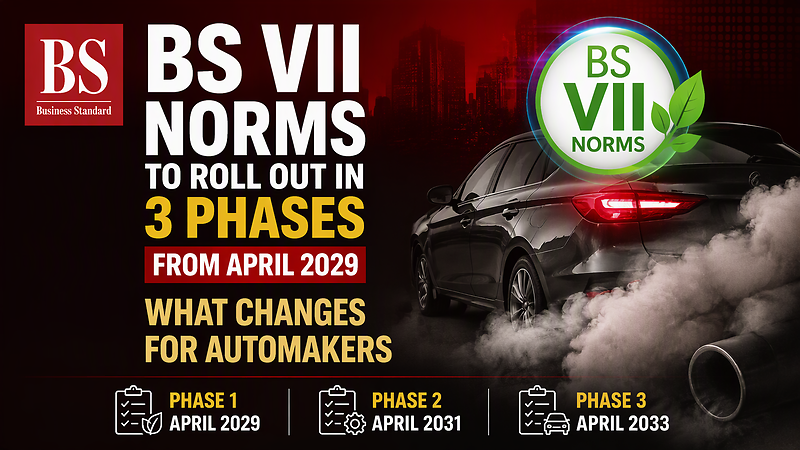
As India grapples with its severe air quality issues, a debate has emerged over how stringent vehicle pollution rules should be. The Ministry of Road Transport and Highways is preparing to roll out stricter Bharat Stage 7 (BS7) emission standards in three phases, beginning in April 2029. According to Business Standard, the new regulations will address various pollutants, including ultrafine particles, and will not require changes to existing refinery infrastructure, which marks a significant shift from previous standards. However, the phased approach is designed to give automakers time to upgrade their technology to comply with these stricter requirements.
The first phase of BS7 will cover new cars and SUVs from April 2029, with subsequent phases targeting small goods delivery vehicles and heavy-duty vehicles by 2031. The measures aim to tighten emission checks, moving beyond laboratory testing to real-world assessments. As Business Standard notes, while several emission limits may remain unchanged from BS6, the focus on smaller particulate emissions indicates a robust effort to improve air quality.
In contrast, the implementation timeline is under scrutiny. A separate report from Business Standard highlights that automakers are advocating for a delay in the introduction of brake and tire emissions regulations, pushing for a start date of April 2035 instead of 2031. They argue that this extension is crucial for supplier readiness, as manufacturers need clarity on testing methods and limits to ensure compliance. The Society of Indian Automobile Manufacturers has emphasized the necessity for adequate preparation time to meet these new standards, echoing concerns seen in Europe regarding similar emissions regulations.
Meanwhile, the situation in Delhi exemplifies the urgency of addressing pollution. NDTV reports that the first stage of the Graded Response Action Plan (GRAP 1) has been activated due to deteriorating air quality, with measures aimed at reducing private vehicle use and emissions. The doubling of parking charges in the capital is intended to discourage reliance on personal vehicles during the winter months when pollution levels peak. However, some critics argue that the timing of these measures is inconsistent, noting that GRAP 1 was imposed later than in previous years.
The tension between the need for stricter pollution controls and the automotive industry's capacity to adapt is palpable. While Business Standard presents a forward-looking view of BS7's phased rollout as a necessary step towards cleaner air, automakers' calls for delayed regulations highlight the industry's struggle with compliance and readiness. As the debate unfolds, the balance between environmental responsibility and economic feasibility remains a critical challenge for policymakers in India.
Ultimately, the effectiveness of these measures will depend on their implementation and the commitment of both the government and the automotive sector to prioritize air quality over convenience. The road ahead is fraught with challenges, but the necessity for cleaner air is undeniable.