Urban Infrastructure Failures: Extreme Weather or Systemic Failures?
Oct 26, 2026, 20:15 IST
Summary
The debate on urban infrastructure failures in light of extreme weather sees Barkha Dutt emphasizing systemic negligence in safety, citing tragic electrocutions and building collapses. Sanjay Dixit highlights immediate water access issues in Pakistan, while Faye D'Souza critiques urban planning's environmental impact on trees. Together, they explore the intricate links between accountability, planning, and infrastructure resilience.
As cities grapple with the consequences of extreme weather, the debate over the root causes of urban infrastructure failures intensifies. Content creators are weighing in on whether these failures are primarily due to natural disasters or systemic issues like poor planning, corruption, and lack of accountability.
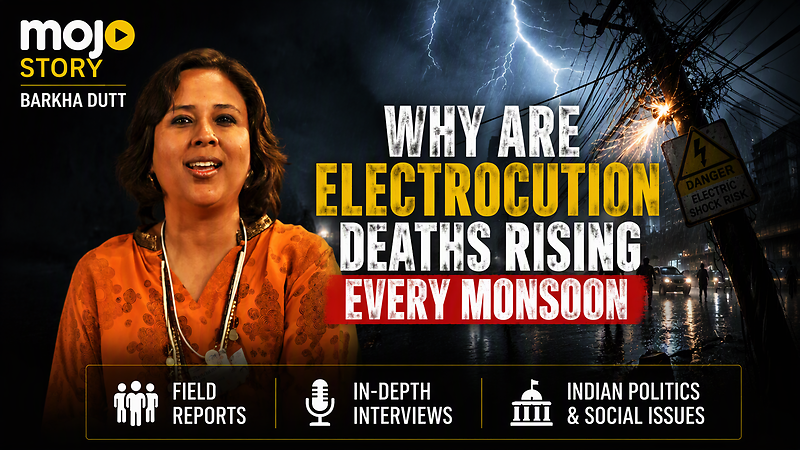
Barkha Dutt, a prominent journalist from Mojo Story, highlights the human cost of negligence in urban infrastructure. In her video titled "Why Are Electrocution Deaths Rising Every Monsoon?", she recounts the tragic story of a 22-year-old named Bablu who died after an electrified wire fell into rainwater. Dutt states, "In the past week alone, over six people have died due to electrocution, revealing a grim reality of civic negligence in our country." She cites data from the Central Electricity Authority, which reports over 6,000 electrocution deaths in the financial year 2024-25, attributing these incidents to failures in the electricity distribution system.
In contrast, Sanjay Dixit from The Jaipur Dialogues focuses on the water crisis in Pakistan, using the Lyari area as a case study. He points out that residents are not receiving adequate water supplies and are forced to collect water amidst visible wastage. While Dixit's perspective highlights the immediate impact of infrastructure failures on daily life, he does not directly address the systemic issues contributing to these failures, leaving room for interpretation about accountability and planning.
Faye D'Souza offers a different angle in her video "Explained: Why Are Mumbai Trees Weak?" She argues that the problem isn't solely the rain but rather the city's infrastructural decisions that weaken trees before monsoon season. She explains that the cement and paving around tree bases restrict air and water to the roots, leading to instability during storms. D'Souza's insights suggest that the focus should also be on the broader environmental impacts of urban planning, which could mitigate risks during extreme weather.
Returning to the theme of structural failures, Barkha Dutt also addresses building collapses in her video "Why Does Delhi Keep Seeing Building Collapses?" She reports on a recent incident in Harsh Vihar, where an under-construction building collapsed, killing two workers. Dutt questions whether proper construction permits were obtained, emphasizing a lack of accountability in urban development. This aligns with her earlier claims about the consequences of negligence in public safety, reinforcing the argument that systemic failures are at play.
Overall, while Dutt and D'Souza highlight the failures of urban planning and infrastructure, Dixit’s focus on immediate water access suggests a different priority. Their discussions collectively illustrate the multifaceted nature of urban infrastructure challenges in the face of extreme weather. As these voices converge and diverge, they paint a complex picture of accountability, planning, and the urgent need for systemic reforms to prevent further tragedies.