Addiction in Punjab: The Case for Rehabilitation vs. Crackdown
Nov 2, 2026, 10:00 IST
Summary
The debate on addiction in Punjab features conflicting perspectives. Shubhankar Mishra highlights the cultural stigma and compares addiction rates with other cities. Pragya Mishra critiques the education system as a new addiction contributing to unemployment. Faye D'Souza calls for collective responsibility and accountability from the government to combat drug issues effectively.
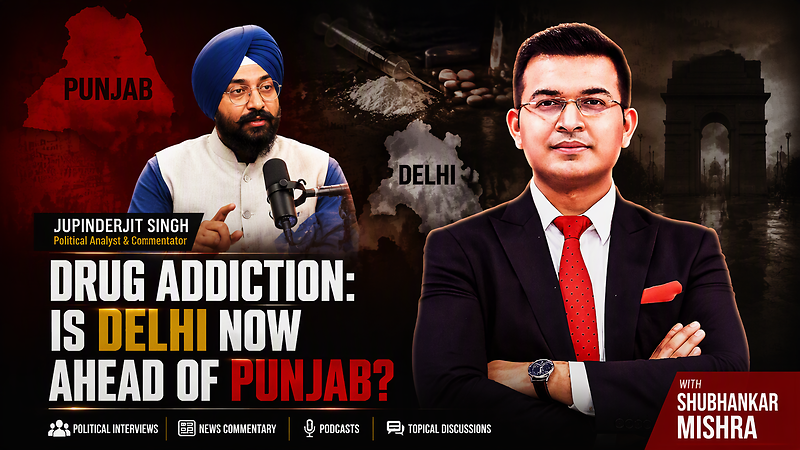
The debate surrounding addiction in Punjab has sparked contrasting views on whether to focus on rehabilitation or a stricter crackdown. Shubhankar Mishra, a popular YouTuber, claims that while Punjab has around one million drug addicts, the situation might be worse in cities like Delhi, Mumbai, and Goa. He argues that the cultural stigma surrounding addiction in Punjab contributes to a distorted perception of the issue, stating, 'This uproar is something we Punjabis have created.' Mishra highlights alarming statistics from Canada, which reported 18,000 drug-related deaths over ten years, emphasizing that Punjab does not face a similar scale of fatalities.
In contrast, Ulta Chasma's Pragya Mishra critiques the systemic failures that lead to addiction, calling the modern education system a '21st-century addiction' that traps youth in a cycle of debt and unemployment. She highlights that only 12 out of every 1,000 Indian youths secure permanent jobs, asserting that the lack of opportunities drives many towards substance abuse. Pragya emphasizes that this societal malaise is exacerbated by the overwhelming influence of social media and data exploitation, framing it as a new form of addiction.
Adding to the discourse, Faye D'Souza, a respected journalist, underscores the collective responsibility to combat addiction in Punjab. She stresses the need for accountability from both the government and citizens, stating that the state’s drug-promoting factories should be shut down and that there should be strict monitoring of drug production. D'Souza is critical of the government’s misleading propaganda about drug eradication, asserting, 'The government keeps spending millions on flashy campaigns while the reality remains unchanged.' She argues for a comprehensive approach that includes not just policing but community involvement and agricultural reform to eliminate chemical dependencies.
While Mishra points to cultural misconceptions about addiction, Pragya Mishra focuses on the systemic failures contributing to youth disenfranchisement, and D'Souza calls for accountability and a multifaceted strategy to tackle the issue. The debate reflects a broader struggle in Punjab, revealing a clash between understanding addiction as a personal failing versus a societal issue that requires collective action. As these perspectives unfold, it becomes clear that the path forward may need to blend elements of both rehabilitation and enforcement to effectively address addiction in Punjab and beyond.