Cholesterol and Statins: Myths and Realities in Heart Health
Nov 26, 2026, 18:53 IST
Summary
The debate on cholesterol, statins, and liver health reveals conflicting perspectives. Faye D'Souza argues heart attack survivors can lead fulfilling lives, while Pooja Prasanna dispels myths about fatty liver disease. Dr. Alok Chopra critiques long-term statin use, emphasizing cholesterol's essential functions, and Dr. Santhosh Jacob reassures that moderate egg consumption is safe for healthy individuals.
The debate surrounding cholesterol, statins, and liver health is rife with conflicting claims and persistent myths. As individuals navigate their health journeys, various content creators provide insights that either challenge or support conventional wisdom.
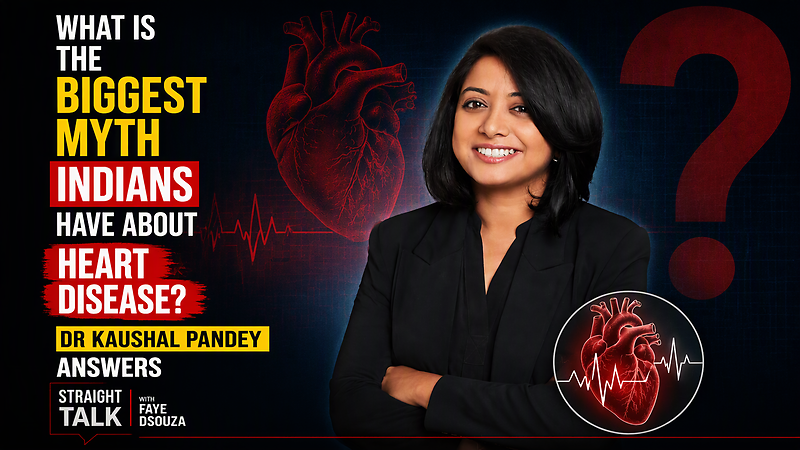
Popular YouTuber Faye D'Souza, in her video discussing heart disease myths, emphasizes that a heart attack does not signal the end of life for patients. She argues, "Heart attacks do not mean life is over for Indian patients" and reassures viewers that survivors can lead meaningful lives after procedures like angioplasty or bypass surgery.
Shifting focus to liver health, D'Souza also addresses misconceptions about the gut and liver connection in her promotional video for Beyond The Diagnosis. She states, "The liver may provide no symptoms despite liver disease," highlighting the often invisible nature of liver issues. This sentiment resonates with Pooja Prasanna, who counters the belief that only drinkers develop fatty liver disease. Prasanna asserts, "Non-drinking and vegetarians cannot get liver problems. Absolutely false," explaining that even those on plant-based diets can suffer from fatty liver due to excess carbohydrates and inactivity.
Dr. Alok Chopra, a physician, introduces a critical discussion on cholesterol and statin use in his video about cholesterol levels. He claims, "Total cholesterol of 200 or even 250 does not automatically mean death," suggesting that the body’s natural cholesterol production serves important functions. However, he cautions against long-term statin use, alleging that it can lead to muscle pain, fragile bones, and even dementia. He argues, "If there are ten functions in your body that cholesterol performs, how can it be evil?" This view starkly contrasts with traditional medical guidelines that advocate for statin use in individuals with elevated cholesterol levels.
Furthering the discussion on dietary cholesterol, Dr. Santhosh Jacob addresses the common concern regarding egg consumption. He explains, "One daily egg usually does not significantly raise cholesterol in healthy people," advocating for moderation based on individual health conditions. He recommends that those with cholesterol issues limit yolk intake, while promoting egg whites for their high protein and low fat content.
While D'Souza and Prasanna focus on the broader implications of diet on health, Chopra and Jacob delve into specific dietary choices regarding cholesterol. The nuances in their arguments reveal a divide between traditional medical advice and emerging perspectives that challenge the necessity of lifelong medication for managing cholesterol levels.
In summary, the debate encapsulates a struggle between established medical narratives and evolving views on heart and liver health. Content creators like D'Souza, Prasanna, Chopra, and Jacob each contribute to a complex conversation about how best to approach these prevalent health issues, urging viewers to rethink their assumptions about cholesterol, statins, and liver disease.