Debating Dietary Beliefs: Health Myths vs. Medical Evidence
Oct 30, 2026, 18:27 IST
Summary
This article explores the clash between popular diet beliefs and medical evidence, featuring insights from various creators. Dr Santhosh Jacob clarifies gastric health myths, while Ryan Fernando critiques intermittent fasting. Dr Alok Chopra discusses the roles of melatonin and magnesium, and Dr Shilpa Arora warns against cruciferous vegetables for thyroid patients. Each perspective highlights the need for informed dietary choices.
In the realm of nutrition and health, popular beliefs often clash with medical evidence, leading to a rich tapestry of debate. Content creators from various backgrounds have weighed in on topics like fasting, supplements, and food myths, revealing a spectrum of opinions that challenge conventional wisdom.
Dr Santhosh Jacob, a medical professional, argues against the widespread belief that skipping breakfast directly causes gastric ulcers. In his video on gastric health, he clarifies, 'Skipping breakfast may increase gastric juices and contribute to gastritis, not directly cause ulcers.' He emphasizes that Helicobacter pylori infection is a common underlying cause of recurring gastritis and urges viewers to seek medical testing for persistent symptoms.
Contrasting this, Ryan Fernando, a nutrition coach, critiques the one-size-fits-all approach to intermittent fasting. He highlights that 'intermittent fasting is unsuitable for people with sarcopenia, pregnancy, or breastfeeding,' stressing the need for personalized dietary strategies. Fernando believes that many individuals mistakenly adopt fasting without considering their unique health conditions, which can lead to negative outcomes.
On the subject of supplements, Dr Alok Chopra provides insight into melatonin and magnesium for sleep. He explains that 'melatonin regulates disrupted sleep rhythms rather than directly inducing sleep,' cautioning against its indiscriminate use. He contrasts this with magnesium, which he claims 'may improve sleep by calming nerves and relaxing muscles.' This distinction underscores the importance of understanding the specific roles of different supplements in health management.
In another area of dietary debate, Dr Shilpa Arora raises concerns about cruciferous vegetables, particularly for those with thyroid issues. She states, 'People with Hashimoto’s or hypothyroidism should avoid cabbage and cruciferous vegetables,' citing goitrogens that can impair iodine absorption essential for thyroid function. This perspective challenges the popular notion that all vegetables are universally beneficial.
Luke Coutinho, discussing the benefits of caffeine, argues that 'caffeine blocks adenosine receptors, altering pain perception, especially headaches and migraines.' He notes that caffeine can enhance the effectiveness of over-the-counter painkillers, suggesting that its role in pain management is more nuanced than simply being a stimulant.
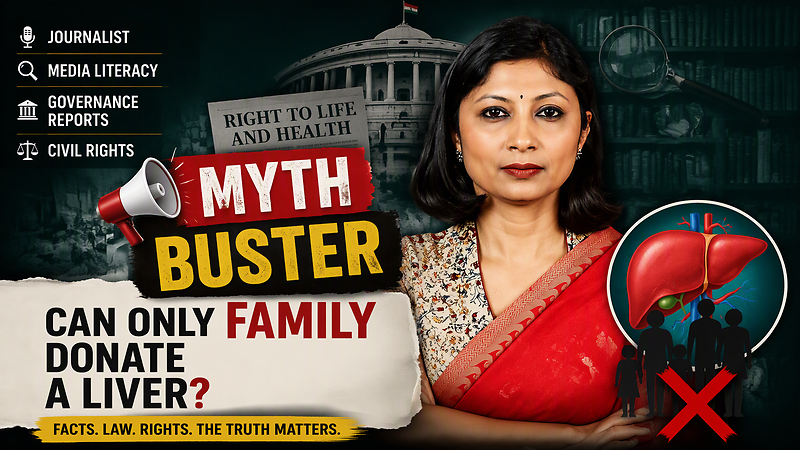
Finally, Pooja Prasanna tackles a different kind of myth regarding liver transplants, emphasizing that 'liver transplant donors do not have to be family members.' This challenges a common misconception and highlights the complexities of organ donation regulations.
Through these varied perspectives, it becomes clear that popular diet and health beliefs often require scrutiny against medical evidence. Each creator presents a unique angle, advocating for informed choices based on individual health needs rather than blanket assumptions. The debate continues as viewers navigate the intricate landscape of dietary information, seeking clarity amidst the noise of conflicting advice.