Ex-Muslim Sahil's Critique: Tablighi Jamaat and Islamic Sects Under Fire
Sep 27, 2026, 03:00 IST
Summary
Ex-Muslim Sahil's critique of Islamic sects, particularly the Tablighi Jamaat, is examined through the lens of Sanjay Dixit, a popular YouTuber. Dixit highlights the Jamaat's recruitment tactics that avoid direct criticism of Barelvi beliefs, while also exploring theological divisions among Deobandi sects. This debate reveals ongoing tensions and complexities within the Islamic community.
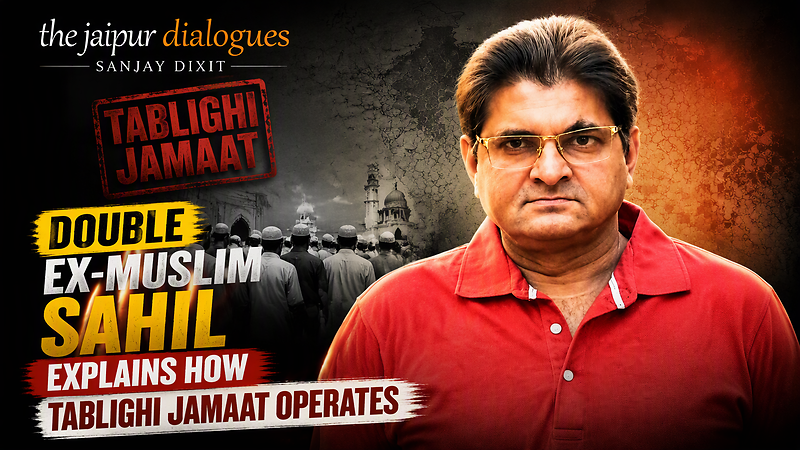
The ongoing debate around Ex-Muslim Sahil's critique of Islamic sects, particularly focusing on the Tablighi Jamaat, has drawn varied responses from content creators. Prominent among them is Sanjay Dixit, a popular YouTuber, who highlights the recruitment tactics of the Tablighi Jamaat. In a short video, Dixit explains that those involved in the Jamaat often target Muslims who exhibit signs of neglecting religious practices. He asserts, 'They never directly criticize Barelvi beliefs during recruitment,' instead focusing on individuals who do not pray or lack Islamic appearances. According to Dixit, the Jamaat employs a strategy that avoids direct confrontation with other sects, such as the Barelvis, while effectively drawing individuals into their fold through extended periods of study on religious texts. Participants may engage for three days, 40 days, or even up to four months, immersing themselves in the teachings presented to them.
Dixit further delves into the complexities within Islamic sects, discussing the differences between Hayati and Mamati Deobandis in another video. He elaborates on their conflicting views regarding the Prophet Muhammad's post-death existence, stating, 'The difference is about how they perceive life after death.' This illustrates a broader ideological divide among Islamic groups, which Sahil critiques for their lack of unity and clarity in doctrine.
While Dixit critiques the recruitment methods of the Tablighi Jamaat, he also touches upon the nuanced beliefs within the Deobandi sect, acknowledging that internal divisions complicate the landscape of Islamic thought. He explains, 'The Hayati and Mamati perspectives reflect differing beliefs about Barzakh, the state after death, showcasing a deeper theological rift.'
The discussion surrounding Sahil's critiques of Islamic sects, especially the Tablighi Jamaat, highlights a significant tension within the community. Dixit's observations reveal a strategic approach to recruitment that sidesteps direct theological confrontation, instead focusing on personal failings of potential recruits. This raises questions about the broader implications of such recruitment tactics on sectarian relationships within Islam.
In summary, Sahil's critique, as discussed by Dixit, uncovers the operational methods of the Tablighi Jamaat while also revealing the intricate theological disagreements among Islamic sects. The debate is emblematic of the ongoing struggle for clarity and unity within the faith, as differing interpretations continue to shape the experiences of its followers.