Film Censorship: A Return to the Past or Necessary Safeguard?
Oct 23, 2026, 11:07 IST
Summary
The debate on film censorship is heating up, with Ravi Kishan supporting censorship for films that harm communities, while Honey Trehan's *Sutluj* was removed shortly after release, highlighting censorship's potential to suppress critical narratives. This clash raises questions about the balance between artistic expression and societal values in today's film industry.
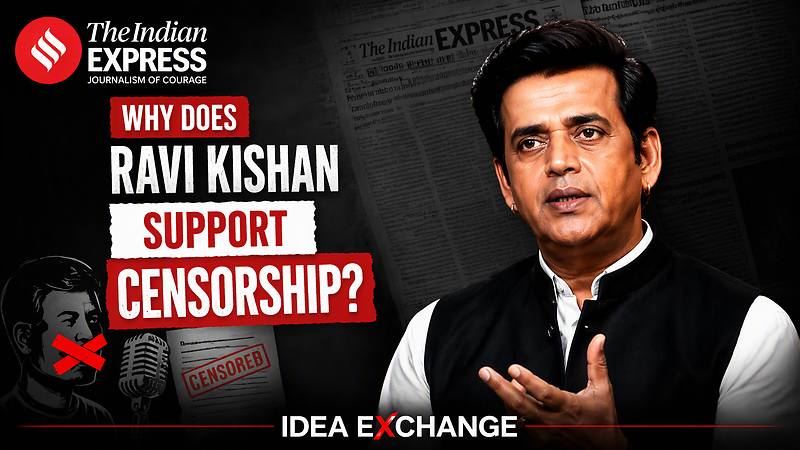
The debate over film censorship has reignited, with prominent voices weighing in on whether recent takedowns and pre-screenings indicate a troubling return to restrictive practices. Ravi Kishan, a veteran actor and advocate for responsible filmmaking, argues that censorship can be justified when films harm communities or misrepresent history. In a discussion featured by Indian Express, he stated that if a censor raises concerns about a film, he would ask for clarity on the issues, asserting, 'When I see that I am hurting a community... I will delete it myself.' Kishan emphasizes that his extensive experience in the film industry, having worked on 760 films, gives him a nuanced understanding of the balance between creative expression and social responsibility.
Contrastingly, The Wire highlights a more alarming trend with the recent removal of Honey Trehan's film *Sutluj* from the ZEE5 streaming platform just 48 hours after its release. The film, originally titled *Punjab 95*, faced significant hurdles, with the Central Board of Film Certification (CBFC) demanding 127 cuts and withholding certification for nearly three years. Trehan's film, which addresses the investigation into extrajudicial killings during the Punjab insurgency, was seen as a crucial narrative about minority rights. The director criticized the CBFC for wanting to avoid showcasing genuine heroes from minority communities. This perspective suggests that censorship is not merely about protecting societal values but also about suppressing critical historical narratives.
The reactions to the film's censorship have sparked outrage among activists and political figures. Shromani Akali Dal president Sukhbir Singh Badal stated that such actions threaten collective memory and freedom of expression, especially at a time when Bollywood is saturated with films promoting Hindu nationalist ideals. This sentiment echoes concerns that censorship is becoming a tool for stifling dissenting voices in the arts.
While Kishan's stance presents a willingness to engage with censors for the sake of community welfare, it raises questions about who decides what constitutes harm and the potential for subjective interpretations of content. On the other hand, Trehan's experience reflects a chilling reality where films that challenge dominant narratives face aggressive censorship, leading to their quick removal from platforms.
In summary, the current discourse on film censorship reveals a significant divide. On one side, figures like Kishan advocate for a controlled approach that prioritizes community well-being, while on the other, creators like Trehan highlight the dangers of censorship as a means of erasing uncomfortable truths from public consciousness. This ongoing debate underscores the need for a more transparent and fair censorship process that balances artistic freedom with social responsibility.