India's Fake-Medicine Crisis: Who's Responsible for Checking Your Pills?
Sep 30, 2026, 06:54 IST
Summary
Prakhar Gupta highlights the critical issue of counterfeit medicines in India, emphasizing the lack of effective regulation and the financial incentives behind fake drug production. He discusses specific incidents of fake cancer drugs, the challenges consumers face in identifying fakes, and the prevalence of counterfeit medicines in rural areas. Gupta calls for urgent action to address this public health crisis.
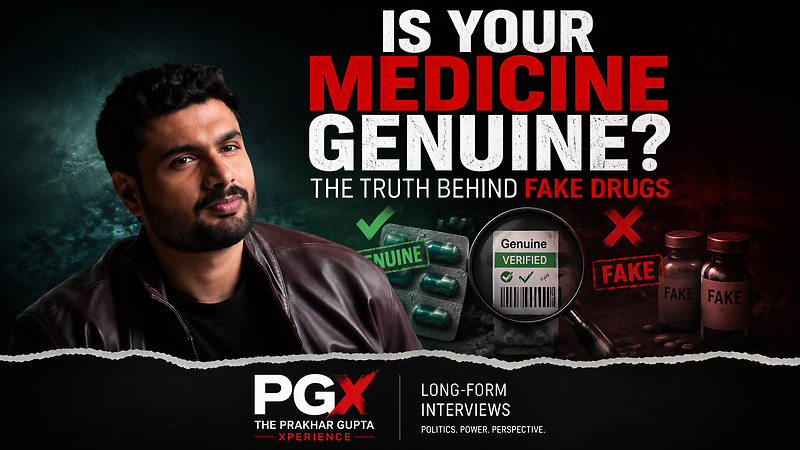
The issue of counterfeit medicines in India raises pressing questions about safety and regulation. Popular YouTuber Prakhar Gupta explores various dimensions of this crisis, revealing alarming insights into the lack of effective oversight and the motivations behind counterfeit drug production.
Gupta argues that there is a significant absence of regulation in India's pharmaceutical landscape. He states, "India has a general absence of effective regulation for medicines and related products," highlighting the slow pace of law enforcement that allows these issues to persist for years. This sentiment resonates with many who are concerned about the implications for public health.
In a separate discussion, Gupta brings attention to a specific incident involving fake cancer drugs in Karnataka, where a cancer drug racket was uncovered, reportedly involving 90 days' worth of fake ICU injections. He notes, "High cancer medicine prices create strong financial incentives for counterfeit drug rackets," suggesting that the exorbitant costs of legitimate cancer treatments make the market ripe for exploitation. He expresses doubt about the trustworthiness of chemists, stating, "I go to the chemist, and the chemist doesn’t even know" if the medicines are genuine.
Further elaborating on the counterfeit medicine issue, Gupta highlights the sophisticated nature of these fakes. He explains that even when a counterfeit drug, such as Dolo 650, contains paracetamol, it may not provide the full therapeutic benefit expected from the genuine product. He points out, "Printing and packaging counterfeit medicines can closely resemble genuine products," making it difficult for consumers to discern the difference. This complexity underscores the challenges consumers face in identifying fake medications.
Moreover, Gupta emphasizes the prevalence of counterfeit drugs in rural areas and small shops, where the chances of encountering fake medicines are significantly higher. He notes, "If you are in rural places, suburbs, and small shops, the chances of finding fakes are very good." He suggests that wholesalers play a crucial role in this issue, as they can mix counterfeit products into legitimate supplies without the chemists' knowledge. Gupta acknowledges that while some medical shops may be aware of the fakes, the sheer volume of products complicates their ability to monitor quality effectively.
The overarching theme in Gupta's analyses is the urgent need for better regulation and consumer awareness to combat the counterfeit drug problem. He concludes that the combination of high profits, low detection rates, and the complexities of drug production means that counterfeit medicines will continue to pose a significant threat to public health unless decisive action is taken. This issue not only impacts individual health outcomes but also raises broader questions about trust in the healthcare system and the responsibilities of regulators and consumers alike.