Is Gen Z Ruining India or Saving It? A Divided Debate
Aug 22, 2026, 10:14 IST
Summary
The debate over whether Generation Z is ruining or saving India features contrasting views from content creators. Sanjay Dixit argues that Gen Z lacks historical perspective and appreciation for Modi's tenure, while Prateek Srivastav highlights their rapid learning and maturity. In contrast, Sandeep Balakrishna criticizes their academic abilities and sense of entitlement, suggesting they are disconnected from societal values.
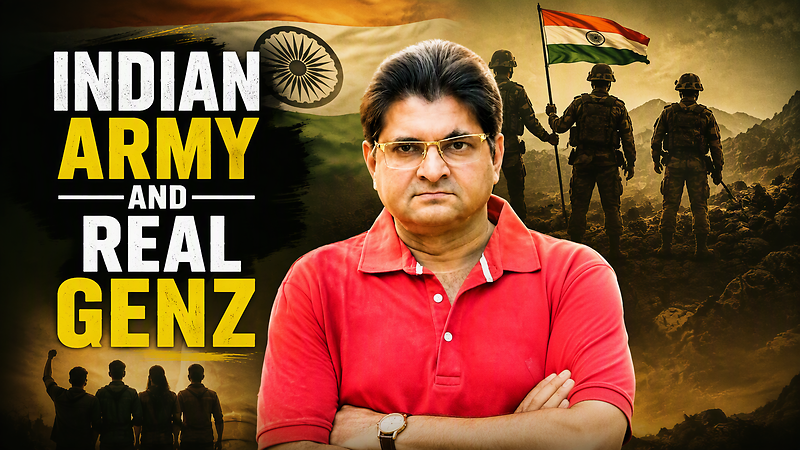
The question of whether Generation Z is ruining India or saving it has sparked intense debate among various content creators. While some argue that the younger generation is a force for positive change, others contend that they are contributing to societal decline.
Sanjay Dixit, a popular YouTuber associated with The Jaipur Dialogues, takes a critical stance on Gen Z. In his video discussing the need for this generation to research the United Progressive Alliance (UPA) era, he argues that many young people lack the historical perspective to appreciate the improvements made during Prime Minister Narendra Modi's tenure. He asserts, 'Modi's years are much better than the UPA years,' and suggests that Gen Z will eventually realize their naivety regarding political dynamics.
In contrast, Prateek Srivastav, a popular YouTuber known for his engaging content, highlights the advantages of Gen Z's education. He claims that 'Gen Z learned in 20 years what older generations learned in 40,' suggesting that this generation is more mature and informed than their predecessors. He argues that many young people are simply not taught essential civic knowledge, which leads to misconceptions about political figures.
On the other hand, Sandeep Balakrishna from The Dharma Dispatch paints a starkly negative picture of Gen Z. He argues that young people are 'addicted to electronic devices,' lack basic skills such as arithmetic and spelling, and feel a sense of entitlement. Balakrishna's video suggests that this generation is not only failing academically but is also disconnected from societal values, stating that they 'want to overthrow the Prime Minister' and are being manipulated by foreign interests.
Dixit and Balakrishna share a common concern about the perceived shortcomings of Gen Z, but they differ in their focus. While Dixit emphasizes the political naivety of young people, Balakrishna criticizes their academic abilities and social behaviour. This illustrates a broader anxiety among some older generations about the capabilities and values of their younger counterparts.
In a nuanced take, Srivastav acknowledges the shortcomings of Gen Z's education system, arguing that science students often lack basic knowledge of Indian polity. This reveals a gap in the education system that he believes is not the fault of the youth but rather a failure of the educational framework itself. He suggests that if young people were better educated about their political landscape, they would be more engaged and less critical of established leadership.
The debate continues to evolve as creators present their arguments, revealing a complex landscape where perspectives on Gen Z range from hopeful to critical. Ultimately, the question remains: is Gen Z a catalyst for change in India, or are they leading the nation into decline? This ongoing discourse reflects deeper societal anxieties about the future and the role of youth in shaping it.