Is Indian Parenting Pushing Kids Away? The Debate on Correction vs. Connection
Nov 3, 2026, 21:00 IST
Summary
The debate on Indian parenting reveals differing perspectives on correction versus connection. dt Manpreet Kalra argues for prioritizing emotional bonds, while Prakhar Gupta emphasizes a balanced approach to correction and failure. Meanwhile, peepoye akassh ashok gupta highlights systemic issues that may influence parenting styles. Together, they explore the complexities of guiding children in a challenging environment.
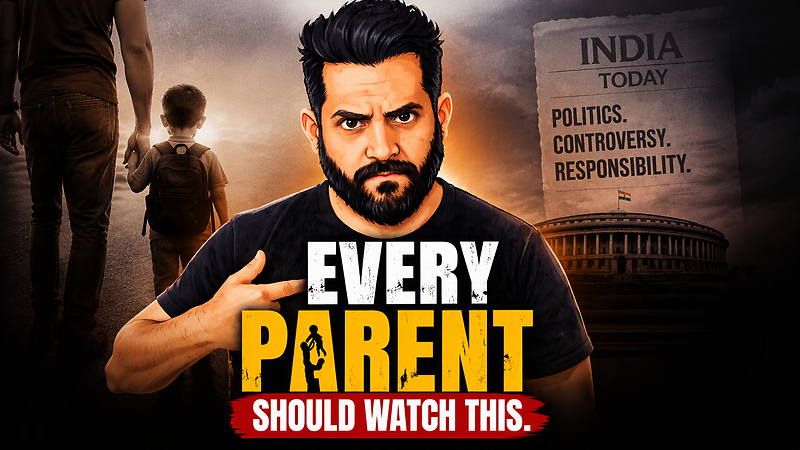
In a rapidly changing world, the dynamics of parenting, particularly in India, are sparking intense debate. At the heart of the discussion is the question: are parents correcting their children too much, thereby pushing them away? Three prominent voices weigh in on this contentious issue.
Popular YouTuber dt Manpreet Kalra argues that many parents are so focused on correcting their children that they neglect to build emotional connections. He states, "Most mothers and fathers are busy with correction to the point that they forget we need to first build this bond." Kalra believes that establishing a strong emotional link is crucial, as it allows for more natural corrections later. He emphasizes that connection should precede correction in all relationships, including those between parents and children, spouses, and teachers and students.
Contrastingly, YouTuber Prakhar Gupta addresses the societal pressures children face, particularly in Indian schools where bullying is common. He asserts that while it is essential for parents to correct their children, they should also allow them to experience failure and learn from their mistakes. Gupta states, "The balanced parenting style isn't extreme... Let the child fall. Let the child fail." He cautions against public humiliation when children make mistakes, advocating for a more supportive approach that helps children recognize their wrongdoings without feeling ashamed.
On a different note, peepoye akassh ashok gupta presents a broader societal concern, linking parenting styles to systemic issues. He reflects on a tragic incident in Lucknow, where children lost their lives due to negligence and corruption. Although not directly about parenting styles, his commentary highlights a culture where accountability is lacking, which can indirectly affect parental approaches. He expresses frustration, saying, "Corruption and ignored safety rules made the fire a preventable killing." This underscores a potential backdrop against which parenting practices evolve, suggesting that parents might feel compelled to correct excessively due to societal failures.
The voices in this debate reveal a spectrum of thought on the role of correction in parenting. While Kalra emphasizes the importance of emotional connections as a foundation for effective parenting, Gupta advocates for a balance between correction and allowing children to learn from their experiences. Meanwhile, akassh ashok gupta raises critical questions about broader societal influences on parenting styles.
As these perspectives converge and diverge, they illuminate the complexities of Indian parenting. The challenge remains: how can parents find the right balance between guiding their children and fostering a supportive environment that encourages growth? The answers may vary, but the debate continues to evolve, reflecting the changing landscape of parenting in India.