Is India's Food Safety System Failing? Perspectives Clash
Nov 3, 2026, 19:31 IST
Summary
The debate over India's food safety system reveals stark divisions among content creators. Faye D'Souza highlights regulatory actions and violations found in inspections, while Major General Yash Mor emphasizes serious adulteration issues. Pooja Prasanna critiques the exaggeration of chemical contamination risks and discusses enforcement challenges. Ryan Fernando supports these concerns with findings from Maharashtra inspections, indicating systemic failures.
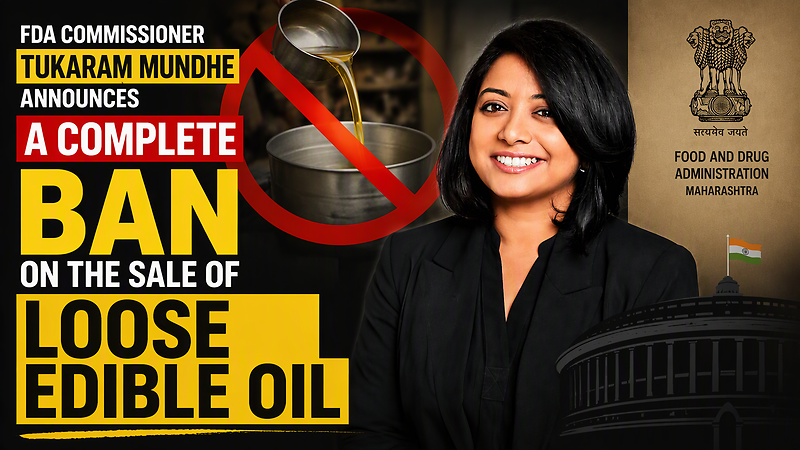
As concerns mount over India's food safety system, a lively debate unfolds among various voices, each bringing unique insights into the issue. Popular YouTuber Faye D'Souza highlights significant regulatory actions, reporting that Tukaram Mundhe, the FDA commissioner, announced a complete ban on the sale of loose edible oil. She notes that adulterated food products can lead to fines of up to ₹10 lakh and even life imprisonment, underscoring the severity of the situation.
D'Souza offers further evidence of systemic failures in her subsequent video, where she discusses inspections conducted by Karnataka food safety officials. They inspected 112 food establishments and uncovered multiple violations, suggesting that enforcement is lacking at various levels.
Contrastingly, Major General Yash Mor argues that the situation is dire, claiming that common food items like ghee and flour are often adulterated with harmful substances. He asserts, "Adulterated ghee, artificial flavours, and stones in flour compromise Indian food safety," and challenges the credibility of numerous brands, stating that none would pass international laboratory tests. Mor's observations highlight a stark difference in food safety standards compared to other countries, where strict regulations lead to the disposal of food not meeting quality standards within hours.
On a related note, Aadi from Def Talks presents alarming findings from FSSAI raids in Bengaluru, where expired mushrooms and serious hygiene violations were discovered in well-known clubs. He mentions that even high-profile venues like JW Marriott faced significant deficiencies, revealing that the issue is pervasive across both high-end and casual dining establishments.
In a more nuanced discussion, Pooja Prasanna breaks down the complexities of food safety. She identifies four key areas of concern: microbial contamination, chemical contamination, food adulteration, and nutritional quality. While she acknowledges that microbial contamination can lead to serious health risks, she argues that chemical contamination is often overstated. According to her, "The honest reality is that here what people do is that they say, 'Oh my god, this had two times the pesticide residue limit.'" Prasanna suggests that many fears surrounding food safety stem from misunderstandings about the actual risks involved.
Additionally, she critiques the enforcement of food safety regulations, stating that while there are extensive laws in place, the actual enforcement is limited, particularly in street food contexts. She points out that the tendency to target visibly dirty establishments creates a performative aspect rather than addressing systemic issues.
Ryan Fernando corroborates these concerns, reporting serious violations found during inspections in Maharashtra. He emphasizes that noncompliance in food storage practices poses significant risks to consumers, urging them to choose their dining establishments wisely.
The debate reveals a complex landscape of opinions on India's food safety system. While some assert that the system is failing due to lack of enforcement and widespread violations, others point to regulatory measures being implemented. The voices in this discussion highlight the urgent need for improved food safety standards and practices across the country, indicating that while regulatory actions exist, the effectiveness of these measures remains in question.