Is POCSO Being Stretched Too Far? A Divided Debate
Sep 26, 2026, 11:25 IST
Summary
The debate on whether the POCSO Act is being stretched too far features contrasting views. Harsh Vardhan Tripathi claims that Sanjay Azad exploits his daughter for political gain, while Faye D'Souza advocates for a broader child protection approach that prioritizes early intervention and rehabilitation. The discussion raises questions about the balance between protecting children and ensuring accountability.
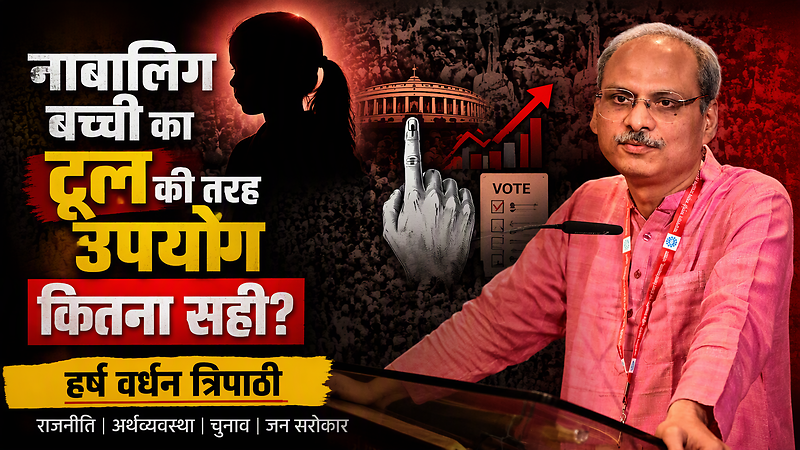
The debate surrounding the Protection of Children from Sexual Offences (POCSO) Act has intensified, with varied perspectives emerging on whether its application is being overextended. Harsh Vardhan Tripathi, a Youtuber, raises a critical concern in his video, arguing that Sanjay Azad has exploited his minor daughter as a political tool. He states, 'The girl posted videos and comments insulting Hindu deities from childhood,' suggesting that her father's actions have not only endangered her but have also silenced discussions around her and her father due to the fear of repercussions under the Scheduled Castes and Scheduled Tribes (Prevention of Atrocities) Act. This viewpoint underscores a worry that the POCSO Act is being misused to shield individuals from accountability.
Conversely, Faye D'Souza, a popular journalist, presents a broader interpretation of child protection. In her discussion referencing CJI Surya Kant, she emphasizes that issues such as substance abuse among children should be treated as child protection issues. D'Souza advocates for a systemic approach where schools, families, and health systems identify risks early, stating, 'Whenever childhood is threatened, there is always a pathway back to safety, dignity, belonging, and hope.' This perspective shifts the focus from punitive measures to proactive care and rehabilitation, arguing that the POCSO Act should be part of a larger framework that prioritizes children's well-being.
The stark contrast between these viewpoints highlights a significant divide in the understanding of child protection laws. While Tripathi’s argument suggests a misuse of these laws to suppress legitimate criticism and discussions about accountability, D'Souza’s approach advocates for a compassionate and holistic response to issues affecting children. This raises important questions about the balance between protecting children and ensuring that laws like POCSO are not misapplied to stifle discourse.
Tripathi’s concerns reflect a sentiment among some that the laws intended to protect children can also inadvertently lead to a culture of fear, stifling necessary conversations about parental responsibility and accountability. On the other hand, D'Souza's emphasis on a collaborative approach to child welfare suggests that effective child protection requires more than just legal frameworks; it necessitates a societal commitment to understanding and addressing the root causes of issues affecting children.
Ultimately, the debate on whether POCSO is being stretched too far encapsulates a larger conversation about child welfare, parental responsibility, and the complexities of legal protections in a society grappling with these issues. As both perspectives unfold, the challenge remains to find a balance that protects children while also fostering an environment where accountability and open dialogue can thrive.