Satya Niketan Rescue: Was Help Too Slow?
Sep 13, 2026, 09:44 IST
Summary
The debate following the Satya Niketan building collapse centers on the speed of rescue efforts. Ajit Anjum reported on trapped individuals and ongoing debris removal. Sarthak Goswami highlighted structural failures, while Sakshi Joshi criticized authorities for delayed responses and jamming mobile signals. Major General Yash Mor emphasized the need for better student housing and emergency preparedness in Delhi.
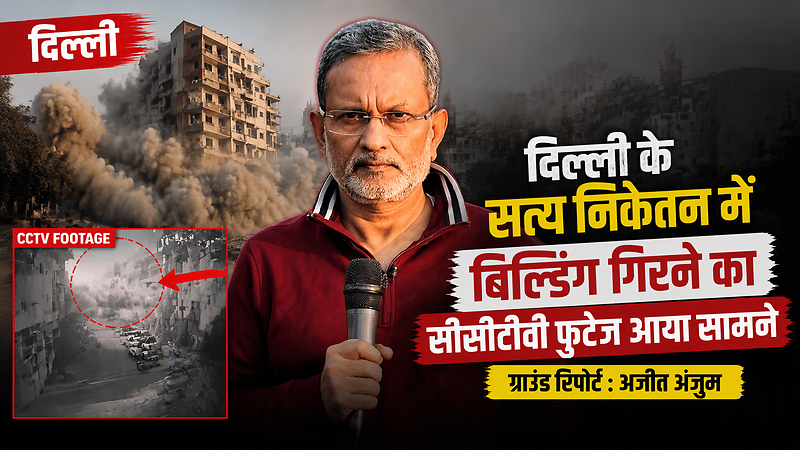
In the aftermath of the tragic building collapse in Satya Niketan, Delhi, a fierce debate has emerged regarding the speed and effectiveness of the rescue efforts. Ajit Anjum, a prominent journalist, highlighted the gravity of the situation, noting that CCTV footage captured the moment of the building's collapse. He reported that rescue workers were immediately deployed, but many people, including children, remained trapped under the rubble.
In a subsequent video, Anjum reiterated that debris removal was underway following the disaster, but the focus remained on the ongoing search for survivors. He expressed concern for those still trapped, emphasizing that at least one child had died, which intensified the urgency of the rescue operations.
Sarthak Goswami, a popular YouTuber, brought attention to the broader implications of the collapse, stating, "Seven people died, including five students." He criticized the structural integrity of the building, which had exceeded its sanctioned height and was being used as a crowded hostel. Goswami pointed out that Delhi's vulnerability to earthquakes poses a significant risk, with a survey estimating that nine million buildings in the city may not withstand a moderate earthquake.
Sakshi Joshi, a well-known journalist, took a critical stance on the response time of the authorities. She accused them of jamming mobile signals in the area immediately after the collapse, hindering trapped individuals from calling for help. Joshi claimed that while private ambulances from Blinkit arrived promptly, government ambulances took two hours to respond, with the National Disaster Response Force (NDRF) arriving three hours later. She expressed disbelief at the delayed evacuation efforts, questioning the efficiency of emergency services in the capital city.
Major General Yash Mor, commenting on the rescue efforts, noted that rescuers had to search through the rubble by hand due to the late arrival of proper equipment. He echoed concerns about the building's structural safety, highlighting the tragic loss of young lives and the inadequate provision of hostel accommodation for students in Delhi. Mor emphasized that only five percent of students receive hostel placements, despite the high demand, raising questions about urban planning and safety regulations.
The perspectives of these content creators reveal a multifaceted debate about the rescue efforts following the Satya Niketan building collapse. While Ajit Anjum focused on the immediate aftermath and ongoing rescue operations, Sarthak Goswami and Sakshi Joshi criticized systemic failures in building regulations and emergency response times. Major General Yash Mor added to the discussion by highlighting the broader implications of inadequate housing for students in a city prone to disasters. This tragic incident not only underscores the urgent need for better infrastructure and emergency preparedness but also raises critical questions about accountability and the value placed on human life in urban settings.