The Fine Line Between Love and Abuse: A Media Debate
Nov 24, 2026, 13:07 IST
Summary
Shubhankar Mishra argues that true love cannot involve violence, citing personal experiences with media misrepresentation of abuse. In contrast, Pooja Prasanna critiques how media romanticizes stalking, warning that such narratives distort public understanding of violence. Both creators highlight the need for clearer definitions of love and abuse, emphasizing the impact of media framing on societal perceptions.
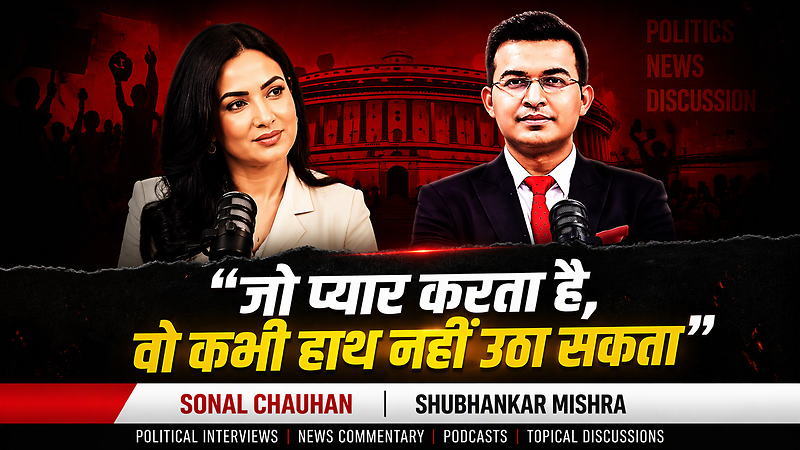
The discussion around abuse and its portrayal in media has taken a sharp turn, igniting contrasting views among content creators. Shubhankar Mishra, a popular YouTuber, argues vehemently that true love cannot coexist with violence. He asserts, 'A person who loves you, who respects you, cannot raise a hand against you.' This statement underscores his belief that any form of physical assault negates love and respect in a relationship. Mishra also reflects on a personal experience involving a physical assault against actress Sonal Chauhan, stating that the media's representation of the incident was inaccurate. He points out, 'This is an unfortunate event that happened... many girls endure this.' This sentiment highlights a broader issue where victims often feel compelled to remain silent about their experiences.
In contrast, Pooja Prasanna, another influential YouTuber, shifts the focus to the media's role in framing stories of violence, particularly stalking. In her video, she critiques the romanticization of stalking incidents, using the example of a Chennai man who allegedly stalked a Delhi influencer before dying after an assault. Prasanna argues that the media's portrayal of such events often sanitizes the violence, framing perpetrators as 'jilted lovers' or 'fans' rather than acknowledging the underlying harassment. She states, 'When harassment is repeatedly described as one-sided love, it changes how society understands stalking itself.' Prasanna emphasizes that the language used in media not only distorts public perception but also perpetuates harmful myths surrounding sexual violence.
While both creators agree on the importance of addressing abuse, they diverge in their focus. Mishra is concerned with the personal impacts of violence in relationships, advocating for a clear line that distinguishes love from abuse. His perspective is rooted in personal experience and emphasizes the need for respect and dignity in relationships. Conversely, Prasanna concentrates on the societal implications of media narratives, highlighting how romanticizing violence can lead to dangerous misconceptions about love and entitlement. She warns that sensationalized reporting can increase victim-blaming attitudes, stating, 'The way we report it matters.'
This debate raises critical questions about how we define love and the societal implications of our narratives around violence. Both Mishra and Prasanna highlight the need for a cultural shift in how we perceive and discuss these issues. They challenge audiences to reconsider the narratives they consume and promote a more accurate understanding of love and abuse. Ultimately, the conversation reveals a complex landscape where personal experiences and media portrayals intersect, calling for a nuanced approach to both love and violence.