The Great Debate: Is a Veg Diet Healthier Than Non-Veg?
Oct 30, 2026, 07:51 IST
Summary
The debate on whether a vegetarian or non-vegetarian diet is healthier features diverse opinions. Dr Mickey Mehta claims excessive meat consumption leads to negative emotions, while Dr Pal Manickam argues veganism isn't inherently healthy due to junk food options. Dr Santhosh Jacob advocates for a balanced approach, recognizing benefits in both diets, and Mehta emphasizes the ethical elimination of animal products.
The ongoing debate over whether a vegetarian or non-vegetarian diet is healthier has garnered diverse opinions from various content creators. Each perspective sheds light on different aspects of health, nutrition, and ethical considerations.
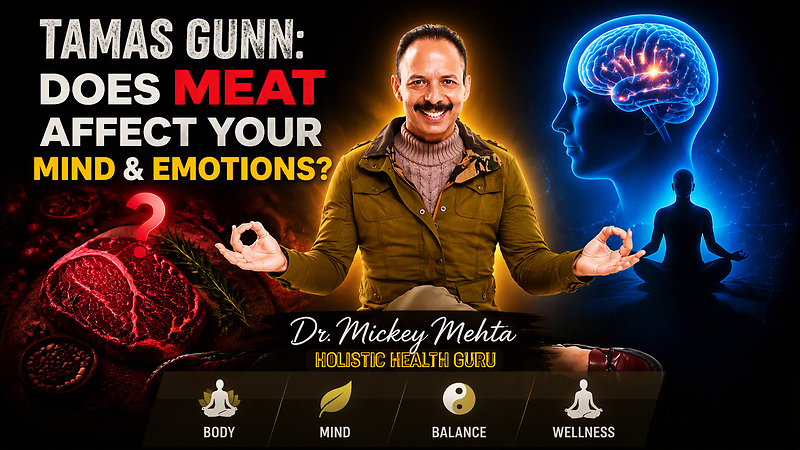
Dr Mickey Mehta, a wellness expert, argues that excessive meat consumption can lead to negative emotional states. He claims, "Most people who eat gross amount of meat... are bound to be extremely temperamental, aggressive, irritable." He emphasizes that a diet heavy in meat can amplify feelings of jealousy, arrogance, and pride. Mehta suggests that balancing meat intake with practices like yoga and consuming greens can mitigate these effects, stating, "If they don't neutralize it... this will keep growing."
In contrast, Dr Pal Manickam, a health advocate, challenges the notion that vegetarianism is inherently healthier. He points out that vegan diets can still include junk food like donuts and pizza. Manickam asserts, "Veganism avoids animal products... but that doesn’t mean it’s healthy." He clarifies that many choose a whole-food plant-based diet for health reasons rather than ethical ones, arguing, "Vegan food can include... a lot of junk food."
Dr Santhosh Jacob, a nutritionist, presents a more balanced view, acknowledging the nutritional benefits of both diets. He highlights that non-vegetarian foods provide essential nutrients like iron and vitamin B12, while vegetables offer vital fiber and minerals. Jacob states, "Both vegetarian and non-vegetarian foods can support health when balanced," suggesting that a mixed diet might be the most beneficial approach.
Dr Mickey Mehta returns with another strong stance, this time on the consumption of animal products in general. He argues for the elimination of all animal foods, including milk, unless sourced ethically. He claims, "Animal foods... should be eliminated from diets," and elaborates that milk should only be consumed if the cows are treated well. This perspective adds a layer of ethical consideration to the health debate, positioning animal welfare as a crucial factor in dietary choices.
While Mehta’s emotional and ethical arguments resonate with some, others like Manickam emphasize practicality and the reality of food choices. Manickam states that simply being vegetarian doesn’t equate to being healthy, as people can still consume unhealthy vegan options. This presents a counterpoint to Mehta's more holistic view of diet and emotional health.
Ultimately, the discussion reflects a spectrum of beliefs about diet and health. While Mehta and Manickam present starkly different views on the health implications of meat versus plant-based diets, Jacob advocates for a balanced approach, suggesting that both dietary choices can have their merits when managed wisely. This debate continues to evolve as more individuals seek to understand the implications of their food choices on both health and ethical grounds.