Vimal Ads Controversy: Fair Crackdown or Misguided Action?
Sep 29, 2026, 02:48 IST
Summary
The Maharashtra FDA has issued notices to Shah Rukh Khan, Ajay Devgn, and Tiger Shroff regarding their Vimal Elaichi ads, claiming they promote a banned product. While some support the FDA's crackdown for public health, others argue it could hinder legitimate advertising. The debate raises critical questions about celebrity accountability and regulatory overreach.
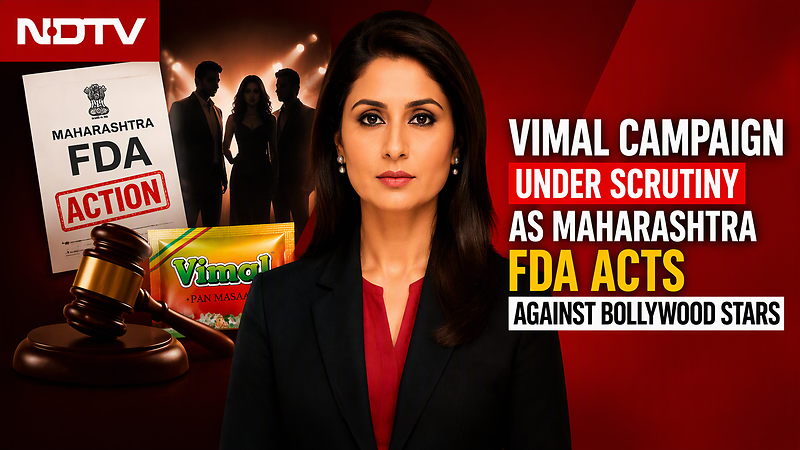
The Maharashtra Food and Drug Administration (FDA) has taken a bold step by issuing notices to Bollywood stars Shah Rukh Khan, Ajay Devgn, and Tiger Shroff regarding their advertisements for Vimal Elaichi. The FDA claims these ads may indirectly promote the banned product Vimal pan masala, leading to a heated debate about the implications for celebrity endorsements in India.
According to a report from NDTV, the FDA has given the actors a strict 15-day deadline to clarify their involvement in the advertisements or face potential fines of up to ₹50,000. This notice, as detailed in the NDTV video titled 'Vimal Campaign Under Scrutiny As Maharashtra FDA Acts Against Bollywood Stars,' highlights the growing scrutiny over misleading advertising practices, particularly in relation to products that could harm public health.
In a similar vein, another NDTV report reiterates the core issue: the FDA's stance is that the advertisements constitute misleading or surrogate advertising, putting the actors in a precarious position. The actors are expected to respond adequately to avoid legal repercussions. This sentiment is echoed by Zubaan Kesari from India Today, who emphasizes the FDA's commitment to public health. He states, 'strict action was necessary as breaches of food standards can endanger lives and health.'
Tukaram Mundhe, the FDA chief, further underlines the seriousness of the situation by questioning the ethics of promoting such products. In a separate NDTV piece, he provocatively challenges advertisers of pan and gutkha products to let their children consume them first, suggesting a lack of accountability in the industry. His comments reflect a broader concern about the responsibilities of public figures in endorsing products that could have negative health implications.
The overarching debate hinges on whether the FDA's actions represent a fair crackdown on potentially harmful advertising or if they infringe on the freedom of expression of celebrities. Some argue that celebrities should be held accountable for the products they endorse, especially when public health is at stake. Others, however, suggest that the FDA's approach may be overly aggressive and could stifle legitimate advertising practices.
While the FDA's efforts aim to protect consumers, the situation raises questions about the line between regulation and censorship in advertising. As the actors prepare to respond, the entertainment industry watches closely, aware that the outcome could set a significant precedent for celebrity endorsements in the future.