Diverging Views on India's Stance Amid US-Iran Tensions
Oct 26, 2026, 20:00 IST
Summary
The article explores divergent views on India's stance amid the US-Iran tensions, highlighting Barkha Dutt's optimism about energy security through US-Iran agreements, Vinamre Kasanaa's concerns over military risks, and Dr. Qamar Cheema's skepticism regarding Iran's alliances. The discussion emphasizes India's need for strategic autonomy while navigating complex geopolitical dynamics.
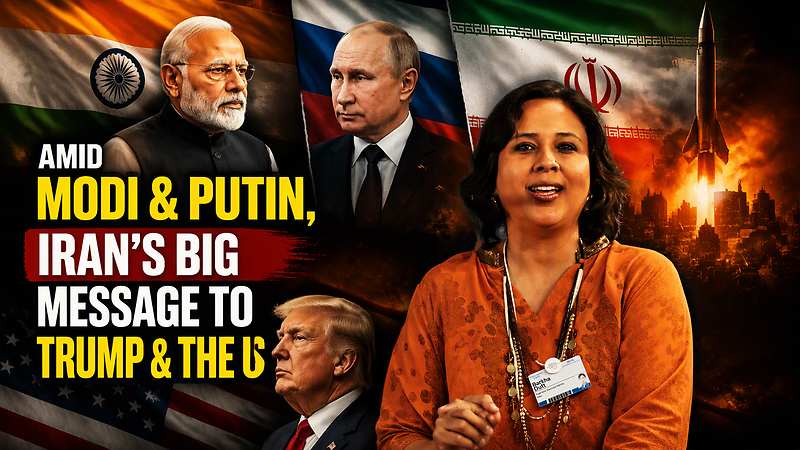
The ongoing US-Israel-Iran conflict has ignited a debate regarding India's strategic autonomy and energy security. Influential voices have emerged, each presenting distinct perspectives on how India should navigate this complex geopolitical landscape.
Barkha Dutt, a prominent journalist, presents a multifaceted view on India's approach. In her video discussing Iran's message to the US, she emphasizes the need for BRICS nations to expand national-currency trade and develop tools to manage currency risks. She argues, "The current financial system faces political shocks because few currencies dominate," highlighting the vulnerability of the existing global financial architecture. This sets the stage for India to rethink its economic strategies in the face of global uncertainties.
In another video, Dutt discusses India's cautious optimism regarding the memorandum of understanding (MoU) between the US and Iran. She notes that this agreement could enhance energy security by opening the Strait of Hormuz, stating, "It will remove supply chain bottlenecks and many of the shortages in the field of fertilizers and chemicals will be met." This perspective suggests that India could benefit from improved navigation and energy supplies, aligning its interests with those of the US.
Contrastingly, popular YouTuber Vinamre Kasanaa raises concerns about the military dynamics in the region. In his discussion on drone attacks in the Strait of Hormuz, he asserts that the US no longer holds significant control, stating, "Iran’s extensive missile capability makes the Strait of Hormuz difficult to control." His remarks underscore a more cautious stance on the potential risks associated with US-Iran tensions and their implications for India’s security.
Further complicating the narrative, Dr. Qamar Cheema expresses skepticism about Iran's intentions. He emphasizes that Iran's support for groups like Hamas complicates its relationship with India, suggesting that India should not align with Iran without ensuring reciprocal commitments. Cheema argues, "Iran must address Hamas presence, Pakistan ties, and anti-India activity before cooperation." This viewpoint highlights the need for India to carefully evaluate its partnerships in light of regional security dynamics.
In a contrasting tone, Aadi from Def Talks suggests that Iran should engage in negotiations with the US and Saudi Arabia to prevent threats from reaching its borders. He argues, "Iran should negotiate with America and Saudi Arabia before threats reach home," indicating a belief that proactive diplomacy could stabilize the region and benefit India's strategic interests.
The dialogue also includes the perspective of India's outgoing ambassador to Iran, who bids farewell in Farsi, symbolizing the nuanced and often personal nature of diplomatic relations. This cultural exchange, while seemingly benign, hints at the complexities of India’s diplomatic ties with Iran amid broader geopolitical tensions.
Ultimately, the debate reflects a spectrum of views on how India should position itself in the evolving landscape shaped by the US-Israel-Iran conflict. From calls for strategic partnerships to warnings about potential risks, the voices in this discussion underscore the challenges India faces in maintaining its strategic autonomy and ensuring energy security in a turbulent geopolitical climate.