Electoral Integrity or Voter Disenfranchisement? The SIR Controversy Unfolds
Oct 28, 2026, 14:00 IST
Summary
The SIR controversy has sparked intense debate over electoral integrity versus voter disenfranchisement in India. Voices like Ashok Kumar Pandey and Barkha Dutt highlight differing views on electoral processes, while Kumkum Binwal and Ajit Anjum raise serious allegations against Chief Election Commissioner Gyanesh Kumar. The discourse questions the legitimacy of recent elections and the fundamental rights of citizens, with protests planned for accountability.
The debate surrounding the Election Commission's Special Intensive Revision (SIR) of voter rolls has ignited fierce discussions about electoral integrity versus voter disenfranchisement in India. Various voices from content creators have emerged, each presenting unique perspectives on the implications of SIR and the role of Chief Election Commissioner Gyanesh Kumar.
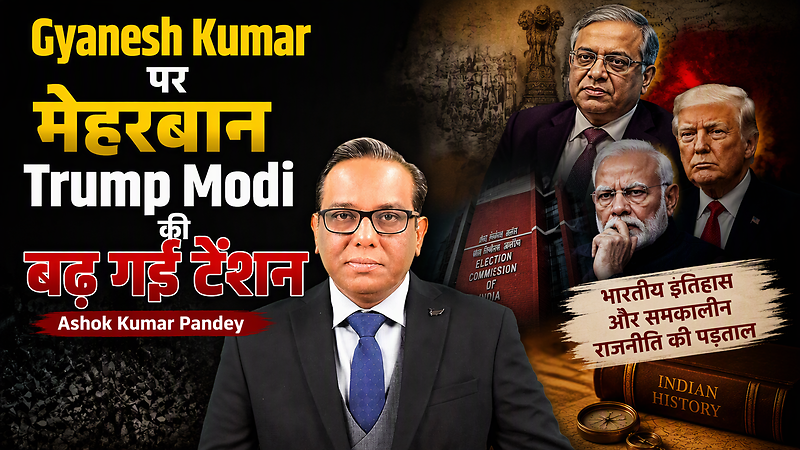
Youtuber Ashok Kumar Pandey suggests a dramatic parallel between the U.S. and Indian electoral processes, claiming that Donald Trump admires Gyanesh Kumar's management of elections, which he argues prevents Modi's defeat. He asserts, "Donald Trump wants American elections conducted like Gyanesh Kumar’s Indian elections." This statement introduces the idea that international scrutiny is directed at India's electoral integrity.
Conversely, popular influencer Barkha Dutt highlights the necessity of a voter identification system, pointing out that over 660 million people voted, with less than 1% voting by mail. She argues, "India’s voter identification system should be adopted as a United States requirement," emphasizing the importance of identity verification in elections.
In stark opposition, Kumkum Binwal claims that the current electoral process is rife with corruption, alleging that Gyanesh Kumar is at the heart of vote theft orchestrated by Modi and Shah. Binwal states, "Indian Express reporter Ritika Chopra's investigation allegedly exposed election and vote theft," calling for the arrest of Kumar and a rerun of multiple state elections, including Delhi and Maharashtra.
The Ranting Gola raises questions about the credibility of the Election Commission, stating that names of family members of the Election Commissioner appear on voter lists, suggesting possible conflicts of interest. He argues, "Is someone else doing their work for them?" highlighting the potential for misconduct within the Commission.
Youtuber Abhisar Sharma criticizes the media's response to the situation, asserting that the Indian Express's revelations have put Gyanesh Kumar on the defensive. He claims, "Gyanesh Kumar is facing mounting pressure to resign due to allegations of election irregularities."
Ajit Anjum, another prominent voice, stresses the public's growing distrust in the electoral process, indicating that the BJP's support for Gyanesh Kumar could backfire politically. He states, "BJP support for the Chief Election Commissioner could politically backfire," suggesting that the party's alignment with Kumar undermines electoral credibility.
The situation escalates further with accusations from Yogendra Yadav, who asserts that the SIR process has disenfranchised millions. He claims, "Making millions of Indian citizens unable to vote creates second-class citizenship," framing the debate around the fundamental rights of citizens.
Justice Ujjal Bhuyan adds a judicial perspective, arguing that any process leading to mass disenfranchisement violates constitutional principles. He states, "Such a process is intrinsically arbitrary and negates India’s constitutional order."
The discussion highlights a critical divide: while some creators advocate for stringent voter identification and support for the Election Commission, others vehemently oppose the SIR process, arguing it undermines democracy. The contrasting views illustrate the ongoing struggle over electoral integrity in India, with implications that extend beyond mere administrative processes to the heart of democratic governance. The debate continues as protests are planned, demanding accountability and transparency from the Election Commission.
As the country moves closer to elections, the implications of the SIR process remain a contentious issue, with calls for reforms and greater oversight growing louder.