Embezzlement Allegations: The Temple Debate Intensifies
Nov 6, 2026, 20:00 IST
Summary
Sarthak Goswami highlights serious allegations of embezzlement within Hindu temples, particularly focusing on the Ram Temple scandal. He claims that an SIT report led to arrests and points to systemic issues within temple management. In contrast, Sanjay Dixit provides no relevant commentary, leaving a gap in the debate about accountability and transparency in religious institutions.
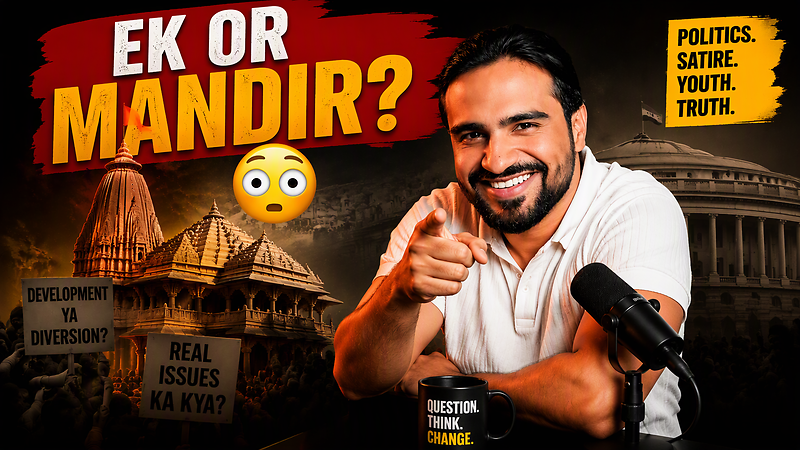
In the ongoing debate over the claims surrounding temples, mosques, and courts, Sarthak Goswami, a popular YouTuber, raises serious concerns about alleged embezzlement within Hindu temples. In his video, he discusses the Ram Temple scandal, stating, 'An SIT report on alleged Ram Temple donation embezzlement led to eight arrests.' He points to Tinnu, also known as Ramshankar Yadav, as the alleged mastermind of the scam, indicating that those in power exploited their positions to facilitate embezzlement. Goswami elaborates, 'Ram Temple counting-team members allegedly enrolled family members, enabling donation embezzlement,' suggesting a systematic approach to siphoning funds from the temple.
While Goswami focuses on the alleged corruption within Hindu temples, the other voice in this debate, Sanjay Dixit from The Jaipur Dialogues, offers no counterpoint or engagement with the embezzlement claims. His video titled 'Sambhal, Uttar Pradesh' contains a transcription that appears to be a recipe, with no relevant commentary on the topic of temple claims or embezzlement. This lack of engagement raises questions about the depth of the conversation surrounding this contentious issue.
The contrast between Goswami's detailed allegations and Dixit's seemingly unrelated content highlights a significant divide in the discourse. Goswami's assertions about embezzlement are serious, and he emphasizes the implications of such corruption on the integrity of religious institutions. In contrast, Dixit's absence from the debate leaves a gap in perspectives, particularly regarding the accountability of those managing temple funds.
As allegations of corruption continue to surface, the question remains: where does the conversation about temple claims stop? With voices like Goswami calling for accountability and transparency, the need for a robust discussion is more pressing than ever. The absence of a counterargument from Dixit suggests a reluctance to engage with the issues raised by Goswami, potentially indicating a reluctance within certain segments to address allegations that could undermine the credibility of religious institutions. The debate on this topic is far from settled, and as new claims emerge, the call for clarity and honesty in temple management will only grow louder.