EVMs vs. Paper Ballots: Trust Issues Divide Opinions
Nov 3, 2026, 16:17 IST
Summary
The debate over EVMs versus paper ballots is heated, with Kumkum Binwal highlighting the BJP's past criticisms of EVMs, while Ajit Anjum and Mallikarjun Kharge advocate for paper ballots, calling the current government untrustworthy. Faye D'Souza adds context by noting the BJP's shift in stance since coming to power, emphasizing the need for electoral integrity.
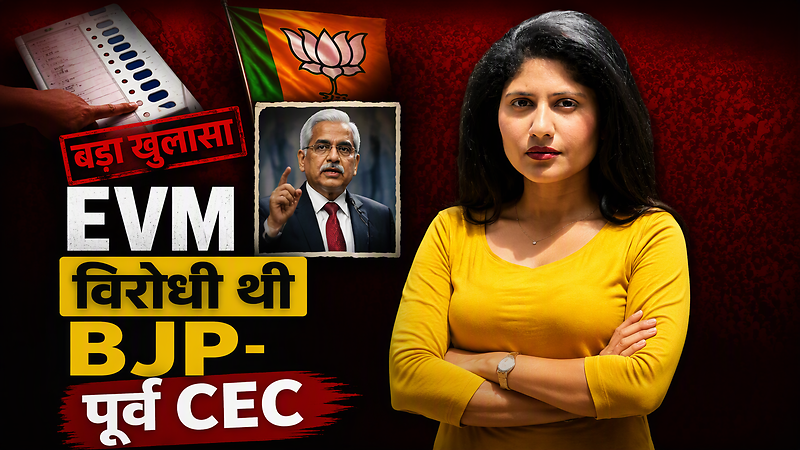
The debate over the reliability of electronic voting machines (EVMs) versus traditional paper ballots has reignited tensions among political leaders and commentators. Former Chief Election Commissioner Kumkum Binwal highlights the historical context, noting that the Bharatiya Janata Party (BJP) was once the 'biggest critic of electronic voting machines.' She points out that the party questioned the dependability of EVMs in a book titled *Democracy at Risk*, authored by GVL Narasimha Rao and featuring a foreword by senior BJP leader L.K. Advani. Binwal recalls convening a meeting with opposition parties, led by Chandrababu Naidu, to discuss concerns about EVM reliability, indicating a shift in the BJP's stance after they came to power.
In contrast, popular Youtuber Ajit Anjum expresses strong support for reverting to paper ballots, stating that 'all members of the INDIA alliance agree' on this issue. He criticizes the current government, alleging that it is a 'thieving government' and calls for the repeal of laws enacted under its rule. His position aligns with the demands of Mallikarjun Kharge, a prominent leader of the Indian National Congress, who insists that elections should exclusively use ballot papers.
Adding to the discussion, journalist Faye D'Souza provides further context, stating that India utilized paper ballots for nearly five decades before the introduction of EVMs. She emphasizes that the BJP previously voiced concerns about the potential for EVMs to be hacked, claiming that during Congress's rule, the party accused the BJP of exploiting EVMs to secure electoral victories. D'Souza notes the irony in the BJP's shift from opposing EVMs to using them once in power, highlighting the complexities of the ongoing debate.
While Binwal, Anjum, and D'Souza each present different facets of the argument, they converge on the point that the integrity of the electoral process is paramount. Binwal's historical perspective underscores a fundamental inconsistency in the BJP's position, while Anjum and Kharge's calls for paper ballots reflect a broader demand for transparency in elections. D'Souza's insights serve as a reminder of the long-standing practices in India's electoral history and the challenges posed by technological advancements in voting.
As the debate continues, the question remains: Can EVMs be trusted, or is it time to return to the reliability of paper ballots? The perspectives shared by these voices illustrate the deep divisions and varying priorities that characterize this critical issue in Indian democracy.