Impeachment of the CEC: A Call for Accountability or Political Maneuvering?
Nov 2, 2026, 08:04 IST
Summary
The debate on impeaching Chief Election Commissioner Gyanesh Kumar reveals a clash between accountability and political overreach. Yogendra Yadav emphasizes constitutional misconduct, while Faye D'Souza points to parliamentary inaction. Opposition leaders like Rahul Gandhi and Akhilesh Yadav accuse Kumar of voter manipulation, with calls for his resignation echoing throughout. The discourse raises critical questions about electoral integrity.
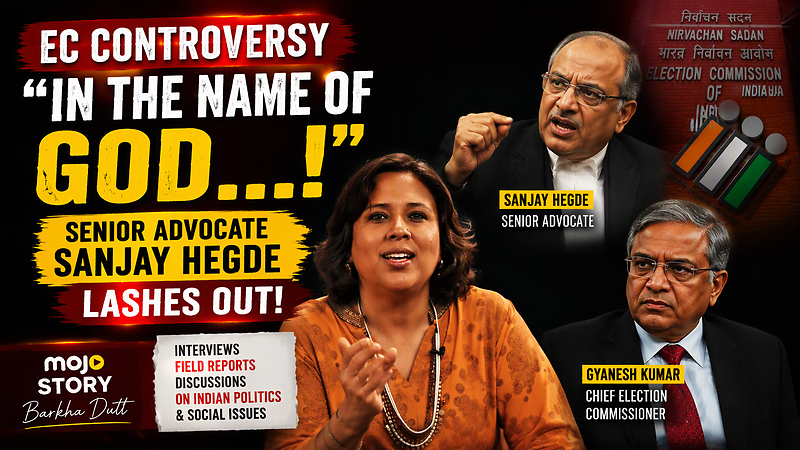
The debate surrounding the impeachment of Chief Election Commissioner (CEC) Gyanesh Kumar has intensified, with various voices articulating starkly different perspectives on whether this move represents a necessary accountability measure or a politically motivated overreach.
Yogendra Yadav, a prominent political commentator, asserts that the impeachment process is not simply a response to disagreements with the CEC's decisions, but rather a mechanism to address constitutional misconduct. He emphasizes that a notice for impeachment was submitted in March, yet Parliament has failed to engage in any discussion for over seven months. Yadav argues, "Impeachment requires constitutionally proven misconduct, not disagreement or ordinary mistakes," highlighting the procedural delays that have left many questioning the integrity of the electoral process.
On the other hand, Faye D'Souza, a popular journalist, highlights a significant moment five months ago when over 60 Rajya Sabha MPs sought Gyanesh Kumar's removal, underscoring the gravity of the allegations against him. She notes, "Two election commissioners reportedly objected to several of Gyanesh Kumar's actions," suggesting that internal dissent within the Election Commission adds weight to the call for his impeachment. This sentiment echoes through the opposition, as Rahul Gandhi has vocally demanded Kumar's resignation, pointing to alleged voter manipulation that has disenfranchised citizens. He stated, "416 voters were allegedly illegally removed from voter lists across four booths," accusing the CEC of facilitating a system that undermines democratic rights.
Adding to the chorus of discontent, Akhilesh Yadav, an opposition leader, demands Kumar's resignation, claiming that election officials engaged in manipulative practices, including the use of forged signatures. He argues that the CEC has acted as a "BJP puppet," compromising the integrity of the electoral process. Yadav's accusations are supported by Ajit Anjum, who insists that pending investigations into voter roll manipulations necessitate Kumar's resignation, stressing that the government cannot simply remove him without an impeachment or resignation process.
In contrast, Meghnad S. presents a nuanced view by stating that while Gyanesh Kumar holds immunity, other officials who may have assisted him in alleged electoral manipulations do not. He points to Seema Khanna, the Election Commission's tech chief, suggesting that she could be held accountable for her role in centralizing control over electoral roll databases, which allegedly facilitated election manipulation.
Despite the varied perspectives, a common thread emerges: the urgency for accountability within the Election Commission. Saurabh Shukla emphasizes that the opposition will not relent until Kumar resigns, framing the issue as a broader struggle for democratic integrity. He notes, "As long as Gyanesh Kumar remains, the opposition will not stop."
As the debate unfolds, the implications of these discussions extend beyond the individual, highlighting the precarious balance between political accountability and perceived overreach in India's democratic framework.