India and China: Friends, Rivals, or Both?
Nov 26, 2026, 19:30 IST
Summary
The debate on India-China relations features diverse perspectives. Shubhankar Mishra warns of China's regional influence as a threat to India, while Dr. Qamar Cheema argues for a potential reset towards cooperation. Both highlight the complexities of their interactions, with historical context and strategic vigilance shaping the discourse around friendship and rivalry.
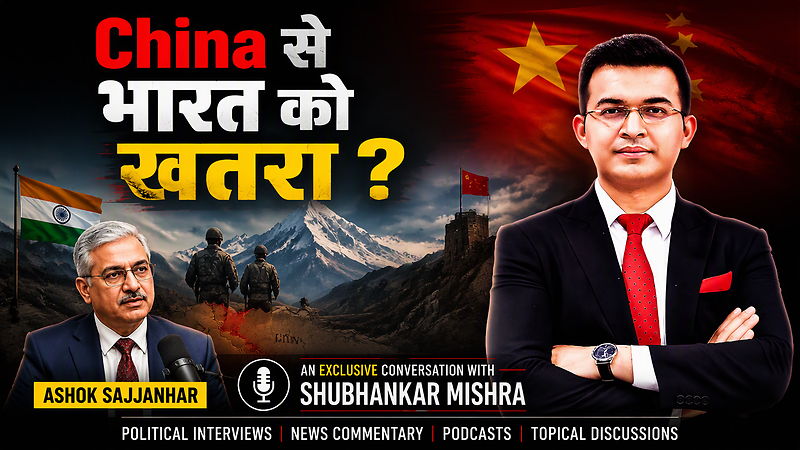
The relationship between India and China remains a contentious topic, with various perspectives highlighting the complexities of their interactions. Shubhankar Mishra, a prominent YouTuber, asserts that China's increasing influence in India's neighboring countries poses a threat to India. He argues, "China's growing influence in India's neighborhood is intended to pressure India" and seeks to limit India's global role by expanding its regional influence. Mishra emphasizes that India cannot control its neighbors' domestic politics, pointing to the political dynamics in the Maldives and Bangladesh as examples of how these nations can be influenced by China.
On the other hand, Dr. Qamar Cheema, also a YouTuber, presents a contrasting view. He suggests that the recent reset in India-China relations is geared towards cooperation rather than rivalry. He states, "India-China reset seeks cooperation and resolution of the 4,000-kilometre border dispute" and highlights that Ajit Doval's visit to Xi Jinping signals India's desire for reciprocal engagement. Cheema believes that both countries are looking to improve their relations, as evidenced by ongoing military talks aimed at preventing new border disputes.
Mishra offers a nuanced take on Sri Lanka's relationship with India, noting that despite China's investments in the country, the new leadership in Sri Lanka has made India a priority for diplomatic visits. He claims, "Sri Lanka says it will not allow its territory to be used against India," suggesting that the country values its ties with India despite external pressures from China.
In a similar vein, Cheema points out that Xi Jinping's upcoming visit to India could be a significant moment for resetting bilateral relations after years of tension. He notes, "If Xi Jinping's visit includes military-level talks, it could prevent any new border disputes," indicating a willingness from both sides to engage diplomatically.
However, Mishra remains skeptical about the potential for genuine friendship between India and China. He argues, "India cannot have genuine friendship with China and must remain vigilant," reflecting concerns about China's rapid rise and the need for India to maintain a cautious approach. He believes that while people-to-people ties should be strengthened, strategic vigilance is essential due to the complexities of their relationship.
Furthermore, Mishra delves into historical context, suggesting that the roots of the current tensions can be traced back to India's asylum of the Dalai Lama in 1955. He states, "China regards the Dalai Lama as a separatist seeking to divide China," which has contributed to ongoing hostilities between the two nations.
As the debate unfolds, it becomes clear that while there are calls for cooperation and engagement, significant distrust and geopolitical maneuvering persist. Both creators illustrate the intricate balance of friendship and rivalry that defines India-China relations today, highlighting that the future of this relationship will likely depend on how both nations navigate their regional and global ambitions.