India-Russia Relations: Navigating Strategic Autonomy Amid Western Pressure
Oct 12, 2026, 19:31 IST
Summary
The debate over India-Russia relations highlights a tension between cultural appreciation and political hypocrisy. Shubhankar Mishra emphasizes the respect Russians have for Indian culture, while CA Bhagyashree Thakkar criticizes U.S. pressure on India regarding Russian oil. Together, they explore the challenges of maintaining strategic autonomy amid shifting global dynamics.
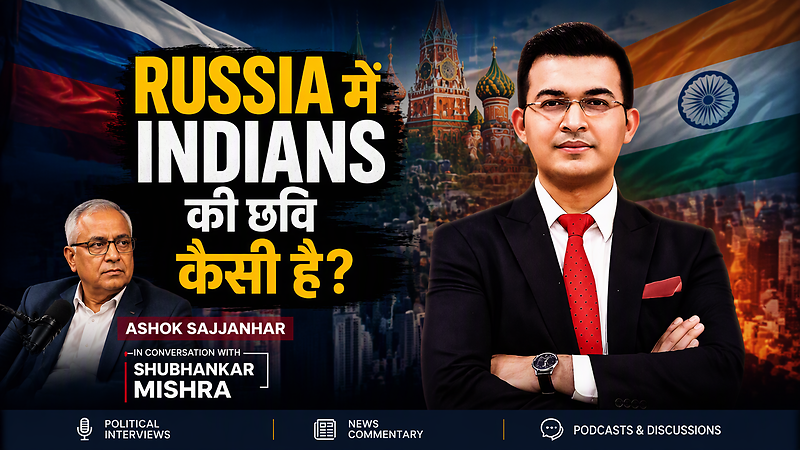
The complex relationship between India and Russia has come under scrutiny as global dynamics shift, particularly regarding Russian oil imports. Shubhankar Mishra, a popular YouTuber, highlights the cultural connections between India and Russia, noting that Russians generally hold Indians and their culture in high regard. He mentions, 'Russians appreciate Indian food and Bollywood, with figures like Vladimir Putin reportedly frequenting Indian restaurants during his tenure as mayor of St. Petersburg.' However, he also acknowledges a growing Chinese influence in Russia, stating that 'China is now a strategic partner, overshadowing India's soft power.'
On the other hand, CA Bhagyashree Thakkar, another content creator, focuses on the political ramifications of Western pressure, particularly from the United States. She criticizes Donald Trump's contradictory stance on Russian oil, arguing that 'Trump threatened India with 100% tariffs over Russian oil purchases, only to later secure a diesel deal with Russia amid US midterm election pressures.' Thakkar emphasizes that this inconsistency reflects a broader hypocrisy in U.S. foreign policy, stating, 'Trump's actions show a willingness to prioritize political survival over consistent international policy.'
The disagreement between Mishra and Thakkar underscores a nuanced debate on how India should navigate its ties with Russia while facing Western pressure. Mishra appears to advocate for a balanced approach, appreciating cultural ties and soft power, while Thakkar is more critical of external influences and highlights the geopolitical consequences of these relationships.
Despite their differing focuses, both creators agree on the importance of India maintaining its strategic autonomy in the face of external pressures. Mishra's emphasis on cultural respect contrasts with Thakkar's critique of political hypocrisy, creating a rich dialogue on how India can position itself effectively in a rapidly changing global landscape.
In conclusion, as India continues to engage with Russia, the need for a clear strategy that respects its historical ties while addressing contemporary challenges remains crucial. The voices of Mishra and Thakkar reflect the ongoing debate on how to achieve this balance, navigating the complexities of international relations in a time of shifting alliances and pressures.