Internal Dissent in India's Election Commission: A Call for Accountability
Nov 4, 2026, 15:12 IST
Summary
The Indian Express exposé on internal dissent within the Election Commission of India has sparked debate over its integrity. RJD MP Manoj Jha calls for Chief Election Commissioner Gyanesh Kumar's resignation, citing 14 documented objections by two commissioners. While the ECI defends its processes, opposition leaders demand accountability, highlighting the need for reforms amid concerns over voter disenfranchisement.
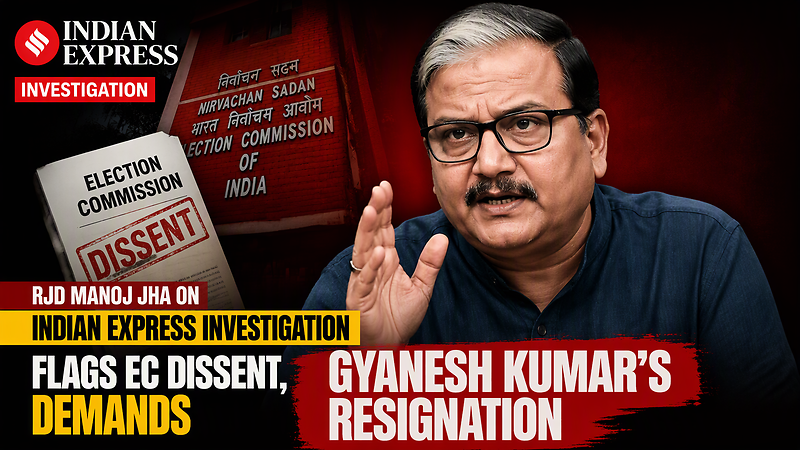
The recent Indian Express exposé revealing that two Election Commissioners (ECs) raised 14 objections over 10 months has ignited a fierce debate regarding the integrity and functioning of the Election Commission of India (ECI). RJD MP Manoj Jha flagged this internal dissent, calling for the resignation of Chief Election Commissioner Gyanesh Kumar, arguing that the objections point to severe lapses in the commission's operations. He stated, 'The Election Commission must not operate in a vacuum; these dissenting voices are crucial.'
In a broader analysis, Indian Express provided a critical lens on the investigation itself, encouraging viewers to scrutinize how investigative reports can unveil systemic issues within institutions. They emphasized the importance of understanding the nuances of such reports, which reveal not just the facts but also the procedural flaws within the ECI.
Further detailing the objections, Ritika Chopra from Indian Express highlighted that Commissioners Sukbir Singh Sandhu and Vivek Joshi had documented their dissent regarding decisions made without their knowledge, particularly concerning changes to voter registration processes. Sandhu described these actions as 'unauthorized and illegal,' raising questions about the ECI's transparency and accountability. Chopra noted, 'Their written objections indicate a troubling lack of communication and governance within the ECI.'
On the political front, NDTV reported that the Congress party, alongside other opposition leaders like M.K. Stalin and Mamata Banerjee, is using this internal conflict to push for Kumar's removal, suggesting that the ECI's credibility is at stake. They argue that the written objections from the EC members are not just bureaucratic disagreements but indicative of deeper issues affecting electoral integrity.
However, the ECI has defended its operations, asserting that such written disagreements are a normal part of internal deliberations. They insist that final decisions were reached unanimously, countering claims of a malfunctioning commission. According to NDTV, this defense has sparked accusations from the opposition, with some leaders declaring it a 'serious attack on democracy.'
The situation has led to calls for immediate reforms, with several commentators stressing the need for the ECI to publicly address these dissenting opinions. As highlighted in a discussion on India Today, the implications of the ECI's actions extend beyond administrative inefficiencies; they touch on the fundamental rights of citizens regarding voting.
Furthermore, the ongoing Special Intensive Revision (SIR) process has come under scrutiny, with Indian Express noting that 130 million names were removed from electoral rolls this year, prompting fears of disenfranchisement. The commission has initiated efforts to restore names, but critics argue that the process lacks transparency and proper checks.
The debate continues to evolve, with different voices calling for varying degrees of accountability and reform within the ECI. As the situation unfolds, it remains crucial for stakeholders to engage with the implications of these internal dissenting voices and the potential impact on future elections.