Is Gyanesh Kumar a BJP Asset or Liability? A Divided Opinion
Oct 4, 2026, 09:30 IST
Summary
The debate over Chief Election Commissioner Gyanesh Kumar's role reveals a split opinion. Ajit Anjum and Neha Singh Rathore argue Kumar is a liability for the BJP due to alleged misconduct, while Barkha Dutt emphasizes the need for institutional credibility. In contrast, R.K. Singh questions Kumar's legality, and Akash Banerjee suggests his importance to BJP leadership complicates calls for his resignation.
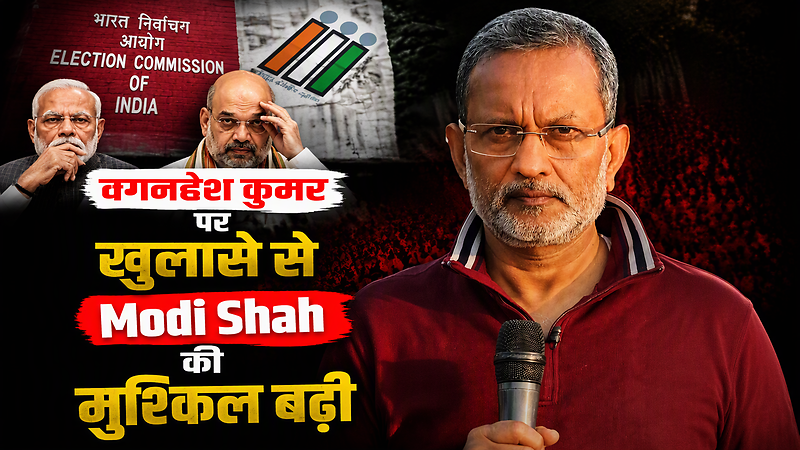
The debate surrounding Chief Election Commissioner Gyanesh Kumar has intensified, raising questions about whether he serves as an asset or a liability for the Bharatiya Janata Party (BJP). Perspectives from various content creators reveal a split opinion, with some arguing that Kumar's conduct and background undermine the integrity of the Election Commission, while others defend his actions as necessary for electoral governance.
Ajit Anjum, a journalist, contends that Gyanesh Kumar is unsuitable for his role, asserting, "Gyanesh Kumar’s background and conduct make Kumar unsuitable to oversee India’s elections." He claims that the Election Commission is colluding with the BJP to suppress electoral democracy, stating that public anger could lead to increased opposition protests and potential resignations from officials, highlighting the political ramifications of Kumar’s alleged misconduct.
Barkha Dutt, a prominent journalist, echoes concerns about Kumar's political statements, emphasizing that his actions have drawn criticism. She argues, "The Election Commission must protect institutional credibility, not government or opposition interests," suggesting that Kumar's handling of controversies may turn him into a liability for the BJP. Dutt insists that the three commissioners should collectively address the issues rather than placing the burden solely on Kumar.
Contrastingly, Anjum points out that Kumar's defenders, including several BJP chief ministers, have rallied to support him. He asks, "If Gyanesh Kumar is innocent and has no collusion with the BJP, why is the BJP preventing public protests demanding his removal?" This sentiment is mirrored by Neha Singh Rathore, who argues that the public's protests indicate a lack of confidence in Kumar’s integrity, stating, "The BJP is defending Kumar amid protests demanding Kumar’s removal."
Further complicating the debate, former minister R.K. Singh has publicly questioned Kumar’s legality, stating, "The nationwide SIR is unlawful and violates electoral regulations." He emphasizes that the Election Commission must remain independent and not act on directives from the government. Singh's assertions add weight to the opposition's claims that Kumar's actions favor the BJP, suggesting that they may have led to significant voter deletions.
In response to these allegations, Delhi Chief Minister Rekha Gupta has defended the Election Commission, stating that accusations against it are against national interest. However, her defense has not quelled the criticism, with Anjum highlighting that the revelations from two election commissioners about internal disagreements raise serious concerns about the Commission's credibility.
The debate is further fueled by the apparent disconnect between the BJP leadership and the public's sentiment. Akash Banerjee posits that Kumar's resignation would implicate Modi and Shah directly, arguing that Kumar is too valuable to the BJP's electoral strategy to let go easily. He suggests that Kumar's position is secure as long as he continues to serve the party's interests.
Ultimately, the perspectives surrounding Gyanesh Kumar paint a complex picture of loyalty, accountability, and electoral integrity. As opposition voices grow louder, the BJP's defense of Kumar will continue to be scrutinized, potentially impacting the upcoming electoral landscape.