Is Kashmiri Pandit Rehabilitation Being Adequately Addressed?
Nov 1, 2026, 19:30 IST
Summary
The rehabilitation of Kashmiri Pandits is debated among content creators, particularly Shubhankar Mishra, who highlights their forced displacement and ongoing security fears. He critiques the current government's inadequate efforts while acknowledging past attempts during Manmohan Singh's administration. This complex discussion reflects the community's struggle for identity and belonging amidst political narratives.
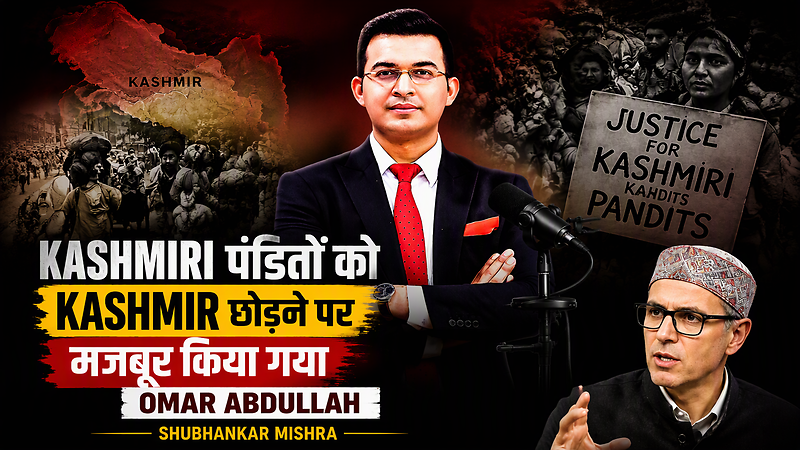
The rehabilitation of Kashmiri Pandits remains a contentious issue, with voices from various content creators presenting differing views on whether the government has adequately addressed their needs. Shubhankar Mishra, a prominent YouTuber, argues that the community was forcibly displaced from Kashmir due to threats and targeted killings. In his video, he claims, 'Kashmiri Pandits were driven from Kashmir by threats of killings and intimidation,' and emphasizes that their security fears, along with the loss of homes and identity, continue to prevent their return. He criticizes the government for using their plight politically while doing little to facilitate their rehabilitation. Mishra states, 'this government has not done anything' to restore their sense of safety and security.
In a different video, Shubhankar Mishra presents a counterpoint regarding the narrative surrounding Kashmiri Pandits. He acknowledges that while the film "The Kashmir Files" has brought attention to their suffering, it presents a distorted view. He asserts, 'It is wrong to say that no one has spoken for them,' referencing efforts made during Manmohan Singh's tenure. According to him, Singh's government made significant attempts to rehabilitate the community by reserving jobs and creating transit accommodation, which he claims the current government has failed to replicate.
This contradiction in Mishra's views highlights the complexity of the debate. While he underscores the urgent need for security and support for Kashmiri Pandits in one breath, he also points out that previous administrations have made attempts that should not be overlooked. His comments suggest a frustration with the current government's approach, arguing that, 'It should be noted that the previous government made efforts that this one has not.'
The discourse around Kashmiri Pandit rehabilitation encapsulates a broader struggle over identity and belonging. As Mishra articulates, 'They will return when their sense of security is restored.' This sentiment resonates with many within the community, who feel that their narrative has often been sidelined in political discourse.
In summary, the debate over the adequacy of Kashmiri Pandit rehabilitation is marked by contrasting views on government efforts. Shubhankar Mishra's insights reveal both the deep-seated grievances of the community and the nuanced reality of past and present governmental actions. As the conversation continues, it remains vital to consider both the historical context and the current needs of Kashmiri Pandits in the quest for meaningful rehabilitation.