Is the American Dream Fading for Indian Students? The OPT Fee Debate
Nov 26, 2026, 20:56 IST
Summary
The proposed fees for Optional Practical Training (OPT) spark a debate on the future of Indian students in the U.S. NDTV warns that a $100,000 fee could exclude many graduates, while Hindustan Times discusses a $70,000 initial fee. Business Standard highlights visa caps and increased paperwork as additional barriers. The consensus emerges that these changes may deter talented students from pursuing opportunities in America.
The proposed imposition of significant fees for Optional Practical Training (OPT) has sparked a heated debate about the future of Indian students in the United States. Various voices weigh in on whether these changes will deter aspiring students or if they are necessary measures to curb visa fraud.
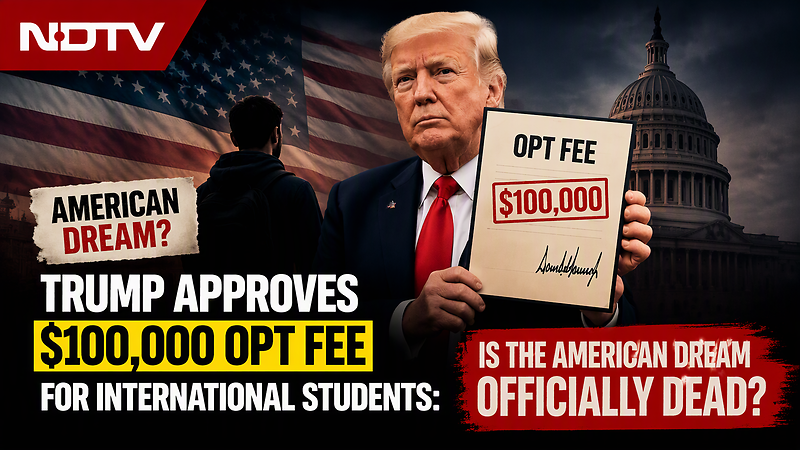
The media outlet NDTV raises alarms about a potential $100,000 fee that would be required before international students can obtain any OPT work authorization. This fee, which would apply to both the standard 12-month OPT and the 36-month STEM extension, could effectively exclude many foreign graduates from the U.S. job market. NDTV emphasizes the urgency of the situation, stating that the Trump administration aims to formalize this proposal quickly, with the possibility of final implementation facing administrative and legal hurdles that could delay it until summer 2027.
In a related video, NDTV further explores the implications of the proposed fee, quoting a Wall Street Journal report. They highlight that while proponents of the fee argue it could reduce visa fraud, critics warn it would make post-study work opportunities prohibitively expensive for many international students, particularly those from India. The report underscores that for many Indian students, OPT is a critical step toward obtaining an H-1B work visa, essential for long-term employment in the U.S.
Adding to the complexity, Hindustan Times discusses a different proposed fee structure of $70,000 for initial OPT applications and a $30,000 fee for renewals. They argue that while the fees would technically be paid by educational institutions, the costs would likely be passed on to students, potentially making the U.S. less attractive to talented international graduates. They stress that this move could disproportionately affect Indian students, who represent a significant portion of the international student body in the U.S., particularly in STEM fields.
Meanwhile, Business Standard reports on a broader overhaul of the student visa system that caps the stay of F-1 visa holders at four years, including OPT. This change, which eliminates the previous duration of status policy, adds another layer of uncertainty for Indian students who often extend their studies or change majors. The publication notes that while the OPT program itself remains, the reduced grace period and the need for additional immigration paperwork could complicate the post-study transition for many.
As these perspectives converge, it becomes clear that while some advocate for stricter regulations to combat visa misuse, there is a growing concern that such measures could lead to a decline in international student enrollment. The fear is that Indian students, who have historically viewed the U.S. as a land of opportunity, may look elsewhere if the costs and complexities of studying and working in America become too burdensome.
The debate over OPT fees and visa caps thus highlights a pivotal moment for the future of Indian students in the U.S. education system, raising questions about accessibility, affordability, and the enduring appeal of the American Dream.