Jobs or Identity? The Diverging Views of Young Voters
Nov 6, 2026, 07:07 IST
Summary
The debate among young voters centers on whether jobs or identity take precedence. Nara Lokesh emphasizes job creation as the primary concern, stating that youth demand more employment opportunities. In contrast, Rohit Pawar highlights the importance of politicians engaging with Gen-Z identity, suggesting that representation is equally vital. Both perspectives underscore the complexity of young voters' priorities.
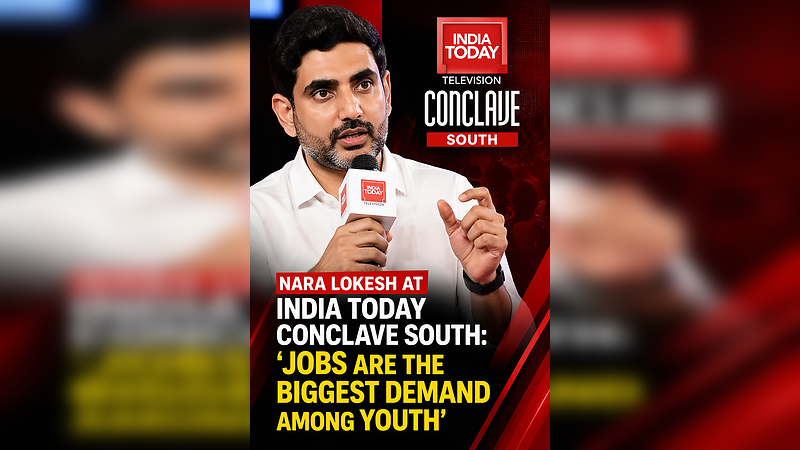
As the upcoming generation of voters prepares to shape the political landscape, a pressing debate has emerged regarding their primary concerns: jobs or identity? This conversation is underscored by contrasting perspectives from prominent voices in the field.
Nara Lokesh, a politician from Andhra Pradesh, asserts that jobs dominate the priorities of young people. Speaking at the India Today Conclave, Lokesh emphasized, "The only point that the youth of India is demanding today is to create more and more job opportunities." He outlined his government's focus on creating 20,000 jobs as a central agenda and highlighted the importance of aligning educational curricula with industry needs. Furthermore, he noted that Andhra Pradesh attracted 25% of India’s incoming investments last year, indicating a robust effort to generate employment opportunities.
In contrast, Rohit Pawar, a politician featured in an NDTV segment, brings a different angle to the discussion, focusing on the engagement of politicians with Gen-Z. Pawar argues that successful politicians must align with the expectations of young voters, stating, "They are successful politicians. Their Instagram presence is genuine, showcasing their connection with Gen-Z activities." This suggests that while jobs are important, the way politicians relate to young voters—through identity and representation—also plays a critical role in their political engagement.
The debate reveals a nuanced landscape where the demand for jobs coexists with the need for politicians to resonate with the identity of younger voters. Lokesh’s emphasis on job creation reflects a pragmatic approach to the economic concerns of youth, while Pawar’s focus on identity highlights the cultural and social dimensions that influence political preferences. Both perspectives underline the complexity of young voters' priorities, suggesting that a singular focus on jobs may overlook other significant factors shaping their political engagement.
While Lokesh sees job creation as the primary agenda, Pawar’s insights indicate that identity and representation cannot be ignored. The challenge for political leaders lies in balancing these two critical aspects—ensuring economic opportunities while fostering a sense of belonging and understanding among young voters. As this debate continues, it becomes clear that addressing the concerns of young voters requires a multifaceted approach that encompasses both jobs and identity, ultimately shaping the future of political discourse in India.