Maharashtra TET and KPSC Leaks: Systemic Failures or Isolated Incidents?
Sep 11, 2026, 10:59 IST
Summary
The recent leaks in Maharashtra's TET and KPSC exams have sparked a debate on systemic corruption in India's examination processes. Ajit Anjum criticizes the BJP government for failing to conduct exams without leaks. Sakshi Joshi expresses solidarity with affected students, while Pragya Mishra discusses police actions against the leak. Major General Yash Mor highlights systemic flaws, emphasizing the need for reforms.
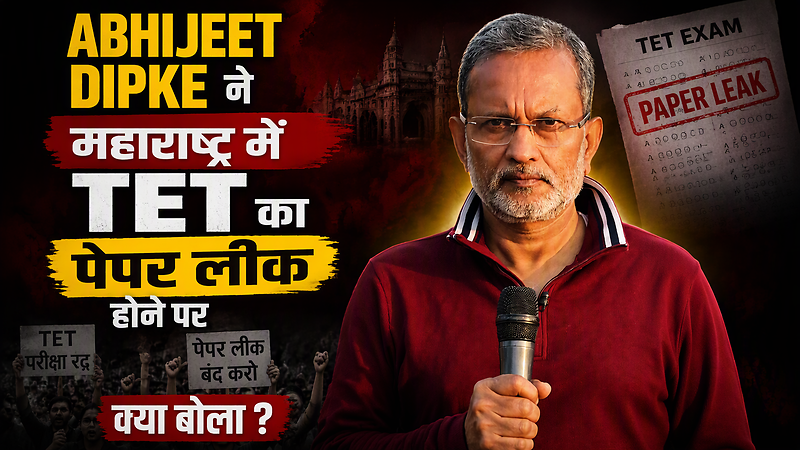
The recent leaks surrounding the Maharashtra Teacher Eligibility Test (TET) and the Karnataka Public Service Commission (KPSC) have ignited a fierce debate among content creators about the integrity of examination processes in India. Ajit Anjum, a popular journalist, asserts that the Maharashtra TET was cancelled just one day before the exam due to a leak, claiming that the ruling BJP government is unable to conduct any examination without encountering issues like paper leaks or cancellations. He argues, "This has become an open secret. Students and teachers in Pune have repeatedly pointed out that there is significant corruption, with seats being sold for one to two crore rupees." Anjum's perspective highlights systemic issues he believes are inherent in the current examination framework, particularly under the BJP's governance.
On a similar note, Sakshi Joshi, a prominent YouTuber, expressed solidarity with students affected by the KPSC veterinary officer exam leak, stating, "This is a very organized looting that has been happening for years, and we will not tolerate it any longer." Joshi emphasizes the emotional and academic toll these leaks take on students, reinforcing the notion that such incidents are not isolated but rather part of a larger, troubling trend.
Joshi further critiques the examination system, noting that the frequency of leaks suggests a fundamental flaw. In her other video discussing the Maharashtra TET leak, she remarks, "It seems that no exam can be conducted without leaks. Students prepare for months only to have their efforts undermined by systemic failures." She points out that the Maharashtra State Examination Council confirmed the leak and the subsequent postponement of the TET exam, but questions the accountability of those in charge, particularly criticizing comments made by Union Education Minister Dharmendra Pradhan labeling protestors as anti-national.
Meanwhile, Pragya Mishra from the channel Ulta Chasma highlights the police's proactive measures in Bhiwandi, where they arrested individuals possessing leaked papers that matched the TET exam. Mishra notes, "The Maharashtra TET exam has been cancelled until further notice, but this raises questions about how deeply rooted these leaks are within the system." This perspective aligns with Anjum's view that the examination process is plagued by corruption and mismanagement.
Major General Yash Mor adds to the discourse by reflecting on broader systemic issues in examination integrity. He cites various incidents, including the Delhi Police constable exam, where numerous candidates received perfect scores, suggesting a significant lack of oversight. He argues, "This paper leak problem will never stop. The privatisation and computer-based systems have created loopholes for buying marks, which undermines the trust in our educational assessments." Mor's statement resonates with the sentiments expressed by both Anjum and Joshi regarding the pervasive nature of corruption.
The dialogue surrounding these leaks raises critical questions about the future of educational assessments in India. While creators like Anjum and Joshi highlight systemic failures and corruption, others like Mor point to the need for extensive reforms to restore trust in the examination process. As students and educators alike call for accountability and transparency, it remains to be seen how the authorities will address these pressing concerns.