Ramlila Maidan Rally: A Call for Democracy or a Disruption to Business?
Nov 2, 2026, 11:11 IST
Summary
The Ramlila Maidan rally led by Rahul Gandhi has sparked a debate over its role in democratic mobilization versus disruption. Ajit Anjum highlights potential business losses, while Pawan Khera notes government restrictions on attendees as indicative of fear. Gandhi and Saurabh Shukla advocate for the rally as a crucial expression of democracy, contrasting with Khanversation's report of widespread participation for freedom.
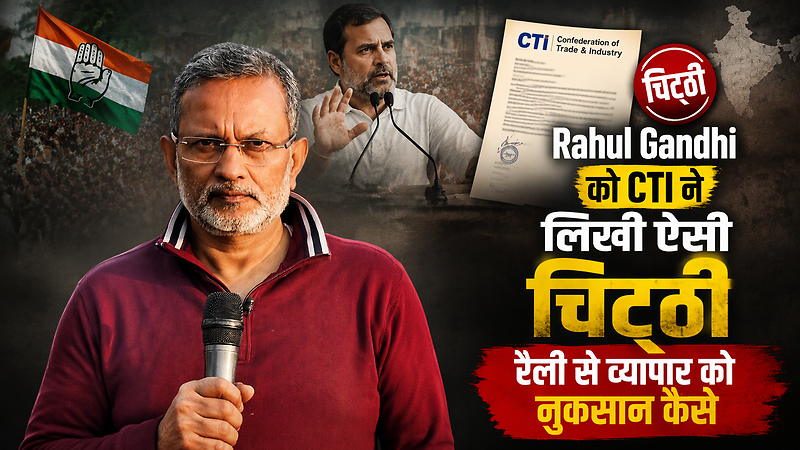
The Ramlila Maidan rally, led by Rahul Gandhi and the INDIA bloc, has ignited a fierce debate over its implications for democracy and business in India. Content creators have taken distinct stances, highlighting the rally's potential as a democratic mobilization while others emphasize the disruption it may cause.
Ajit Anjum, a prominent journalist, raises concerns from the business community, stating that Delhi traders have expressed their opposition to the rally due to potential losses. He notes that the Delhi Police deployed over 4,000 personnel to ensure the event's security, which he suggests indicates a level of fear regarding the rally's impact. Anjum argues that while traders worry about business disruptions, the influx of rally attendees could actually benefit local commerce. He asserts, "The thousands of people coming to Delhi might boost business through transport, food, gifts, and shopping."
Contrasting this, Anjum also reflects on the government's reaction to the rally. He points out that despite claims of limited capacity, train services from states like Telangana and Tamil Nadu were halted, suggesting that the government's actions reveal deeper fears about the rally's significance. He questions, "If only a few hundred will show up, then why all the precautions?" This sentiment aligns with another video from Pawan Khera, who argues that the government's measures to restrict attendees reflect a concerted effort to suppress dissent. Khera highlights that protests have occurred across various states, indicating widespread discontent among the populace.
In a more assertive tone, Rahul Gandhi, during the rally, proclaimed that the gathering represents the voices of youth, farmers, and workers in India. He emphasized the importance of protecting democracy, stating, "This is not just a voice of one political party; this is the voice of the people. We will not allow democracy to be extinguished." His rhetoric reflects a commitment to mobilizing citizens against perceived threats to constitutional integrity, as he declares, "You may have power and wealth, but the Constitution is greater than you."
Saurabh Shukla, another content creator, echoes Gandhi's sentiments, asserting that the rally is a vital expression of democratic rights. He emphasizes the unity among different societal groups coming together to challenge the current government's policies. He describes the rally as a significant moment for those who feel marginalized by the ruling party's actions.
On the other hand, Khanversation's original channel presents a global perspective on the protests, highlighting that participants are rallying for democracy and freedom. They report that approximately 300,000 to 400,000 individuals attended the rally, showcasing India's vibrant democratic spirit despite government crackdowns. This visual evidence serves to bolster claims of a strong, active opposition to the current regime.
In summary, the debate surrounding the Ramlila Maidan rally encapsulates a broader struggle between democratic mobilization and fears of disruption. While some voices, like Ajit Anjum, caution about the economic impacts, others, including Rahul Gandhi and Pawan Khera, view the rally as an essential stand against threats to democracy. The differing perspectives highlight the complexity of the situation, revealing a society at a crossroads between commerce and civic engagement.