Seat Sharing Standoff: Unity or Division in UP's Opposition?
Nov 25, 2026, 19:00 IST
Summary
As the Uttar Pradesh elections approach, Ajit Anjum highlights a standoff between the Samajwadi Party and Congress over seat-sharing. Anjum argues that Akhilesh Yadav faces significant pressure, as he cannot afford another electoral defeat. The negotiations reveal deeper strategic considerations, with implications for the future of opposition unity in the state.
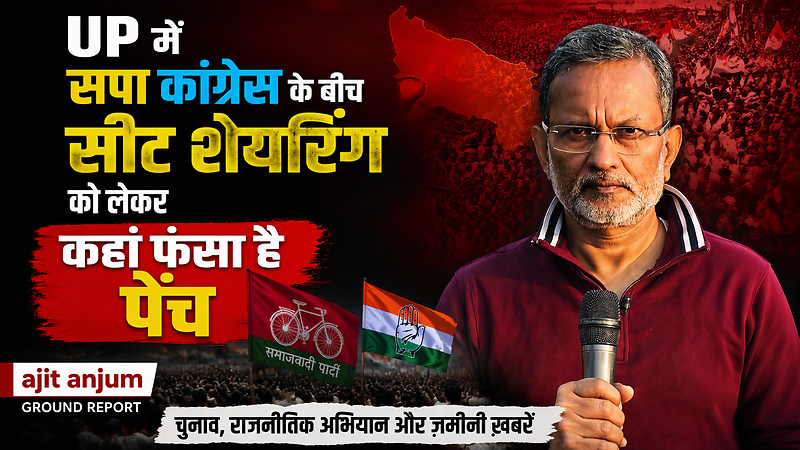
As the Uttar Pradesh elections loom, the debate surrounding seat-sharing between the Samajwadi Party (SP) and Congress intensifies, revealing significant tensions and strategic calculations. Ajit Anjum, a journalist, highlights that both parties are currently at an impasse over seat allocations. He notes, 'Akhilesh Yadav’s reported 181-seat figure replaced earlier discussions around 200 seats,' suggesting a narrowing of expectations that could complicate their collaboration.
Anjum further elaborates that this confusion reflects a deeper issue within the leadership. He argues, 'Akhilesh has more at stake than Congress,' implying that the SP leader should be more flexible in negotiations. He points to historical precedents, stating, 'The BJP ceded six won Lok Sabha seats to Janata Dal United in Bihar,' illustrating that strategic compromises can be beneficial in electoral politics.
In a similar vein, Anjum also addresses the hard bargaining that is likely to occur between the two parties. He states, 'One side is demanding 181 seats while the other is asking for just 24,' indicating a significant gap that must be bridged for any alliance to function effectively. The stakes are particularly high for Akhilesh Yadav, who has already faced two consecutive election defeats. Anjum emphasizes, 'Akhilesh cannot afford a third consecutive loss,' hinting that the future of his political career may depend on the success of this alliance.
Meanwhile, Anjum outlines four critical questions surrounding the upcoming elections. He questions whether the BJP can afford to lose in 2027, and whether the upper caste communities can maintain their political dominance. This perspective adds another layer to the debate, as it implies that the electoral landscape is not just about seat-sharing but also about broader socio-political dynamics.
In contrast, some voices suggest that the apparent disarray in negotiations may indicate a breakdown rather than unity. Anjum argues that the delay in leadership decisions could signal a lack of commitment to the alliance. 'This is foolishness,' he states, suggesting that both parties should learn from the BJP's strategic moves in past elections.
Ultimately, the debate on seat-sharing reflects not only the immediate electoral strategy but also the long-term viability of the opposition alliance. As the election date approaches, the urgency for both parties to reconcile their differences grows. The question remains: will they find common ground, or will their inability to negotiate effectively lead to further fragmentation?