Are Indian Sports Federations Failing Athletes? A Divided Perspective
Oct 29, 2026, 12:15 IST
Summary
The debate over whether Indian sports federations are failing athletes reveals deep divisions. The prakhar gupta xperience highlights financial barriers, while Mona Agarwal calls for equal respect for Paralympians. Boria Majumdar and Nikhil Naz discuss selection inconsistencies and declining sports standards. Issues like athlete accommodation crises and administrative paralysis in boxing further underscore the urgent need for reform.
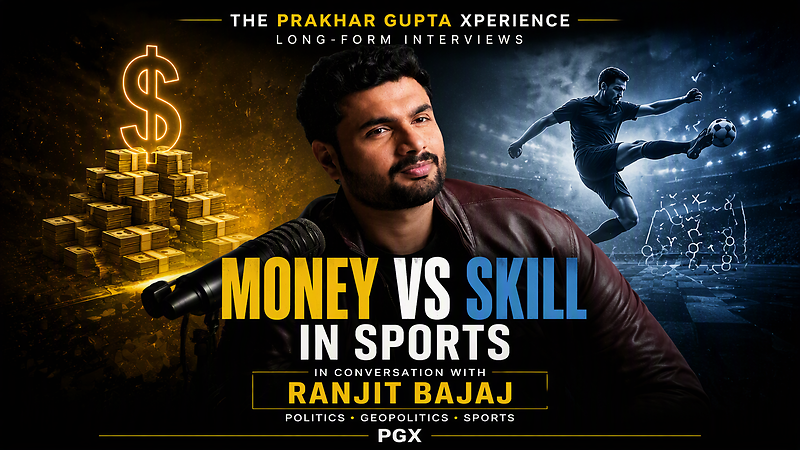
The debate surrounding the performance of Indian sports federations and their impact on athletes is heating up, with various voices highlighting systemic failures and calling for urgent reforms. The prakhar gupta xperience argues that financial barriers prevent talented athletes from competing, stating, "It's not about who plays the best football. It's about who has more money." This sentiment echoes the frustration expressed by Paralympic medalist Mona Agarwal, who lamented the lack of respect and opportunities for athletes like her. She pointed out that Olympic and Asian Games medalists often struggle for recognition, asking, "Do we not deserve equal respect?"
In contrast, Boria Majumdar raises questions about the selection policies for athletes, particularly in table tennis. He highlights the inconsistency in selection criteria between different Asian Games, arguing that the selection committee made a justified decision by choosing Achanta Sharath Kamal despite his lower domestic ranking. He asserts that such inspirational choices are crucial for the sport's growth.
Nikhil Naz, however, brings a critical perspective on the decline of Indian tennis, suggesting that the glory days of stars like Mahesh Bhupathi and Sania Mirza are behind us. He questions the rationale behind sending large contingents to events like the Asian Games when the standards have fallen. He argues that opportunities should focus on sports where athletes have a better chance of success, such as rowing.
Amidst these discussions, the issue of athlete welfare surfaces, as seen in the alarming report from Barkha Dutt about an accommodation crisis at the Asian Games that forced athletes to sleep on floors. This raises serious concerns about how federations prioritize athlete needs.
In the shooting arena, Kalikesh Singh Deo remains optimistic, highlighting that Indian shooters secured five medals early in the Asian Games. He expresses confidence in their potential for more success, despite the logistical challenges they face. He notes, "I think our shooters are a tough bunch... able to overcome any obstacle."
Nikhil Naz also sheds light on the equestrian team's disqualification, attributing it to a series of unfortunate events, including a horse testing positive for tick fever. He underscores that these setbacks are symptomatic of broader issues within the federations, which failed to ensure proper preparation.
The ongoing leadership crisis within the Boxing Federation of India adds another layer of complexity, as internal disputes threaten to derail progress. Nikhil Naz reports on the administrative paralysis that has emerged from mutual suspensions between key figures in the federation, which could jeopardize preparations for the Los Angeles Olympics.
Finally, PR Sreejesh questions the decision to exhaust senior players in upcoming tournaments, advocating for a focus on developing younger talent instead. His remarks suggest a need for strategic planning within sports federations to ensure sustainable growth and success.
As the debate continues, it is clear that a multitude of factors contribute to the perception that Indian sports federations are failing their athletes. From financial constraints and inadequate support to administrative failures and selection controversies, the call for reform is louder than ever.