Balancing Formats and Longevity: The IPL Injury Debate in Indian Cricket
Oct 30, 2026, 15:37 IST
Summary
The debate over India's injury crisis and the impact of playing multiple formats alongside the IPL intensifies. YouTuber Vikrant Gupta argues for reduced formats to enhance player longevity, while others, including Shubman Gill and Nikhil Naz, highlight the challenges of injuries on team selection and the effectiveness of BCCI's medical staff. The discussion reflects broader concerns within Indian cricket.
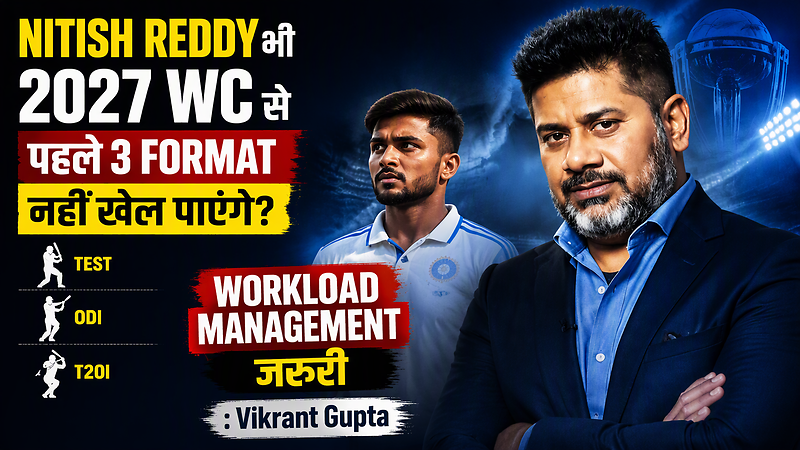
As the Indian cricket team grapples with a growing injury crisis, a heated debate unfolds around the sustainability of playing multiple formats alongside the Indian Premier League (IPL). Popular YouTuber Vikrant Gupta highlights that the pressure on players, particularly Nitish Kumar Reddy, is mounting due to uncertainties surrounding Hardik Pandya's fitness. He argues that 'Nitish Reddy should not play Tests, ODIs, and T20Is simultaneously,' warning that the fragile state of Reddy's body could jeopardise India's 2027 World Cup aspirations.
In another video, Gupta points out the detrimental impact of excessive cricket schedules, stating, 'Excessive IPL and cricket schedules are increasing player injuries.' He elaborates on how fitness tests often misrepresent a player's readiness, leading to breakdowns during matches. This view is echoed in Nikhil Naz's analysis, where he questions the effectiveness of the Board of Control for Cricket in India (BCCI) in addressing the injury crisis. Naz states, 'When BCCI does the review, let it also review our medical staff.'
Furthermore, Gupta insists that to ensure players' longevity, the cricketing landscape must adapt. He argues, 'Playing all three formats alongside IPL threatens players’ longevity,' suggesting that reducing formats is essential for maintaining a sustainable career in cricket.
Shubman Gill raises concerns about the implications of injuries on team selection, asking, 'How will we complete 11 World Cup matches?' He highlights the challenge of forming a competitive team when key players like Rohit Sharma and Virat Kohli face criticism and scrutiny. Gupta supports this sentiment, stating, 'Injuries prevent India from forming a team after two or three matches.'
The discussion takes a broader turn with Rahul Rawat, who warns against overloading players like Jasprit Bumrah. He argues that injuries can happen to anyone and advocates for a cautious approach, saying, 'Jasprit Bumrah should not play 13 consecutive matches.' This perspective aligns with Gupta's assertion that managing workload is crucial for players' long-term success.
Moreover, former player Yusuf Pathan acknowledges the heavy toll of playing too much cricket, suggesting that 'a lot of cricket is happening, and these things happen because of too much cricket.' He believes the BCCI is monitoring the situation closely, but the underlying issue remains the volume of matches players are required to participate in.
In contrast, Gupta expresses frustration over players being fit for domestic tournaments while struggling with injuries during the IPL, stating, 'Half of your India hopefuls are injured.' This statement underlines the paradox of player fitness and availability in the current cricketing climate.
Ultimately, the debate encapsulates a tension between the demands of the IPL, the need for player longevity, and the pressing issue of injuries. As voices within the cricketing community continue to clash over these topics, it remains to be seen how the BCCI will adapt to ensure both the health of its players and the success of the national team moving forward.