India-Pakistan Sporting Ties: A Clash of Perspectives on Politics in Sports
Nov 25, 2026, 22:10 IST
Summary
The debate over India-Pakistan sporting ties showcases a divide between those advocating for a boycott due to political tensions and others arguing for keeping politics out of sports. Najam Sethi and Mohsin Naqvi emphasize the impact of political stability on sports, while Nikhil Naz highlights the financial motivations driving scheduling decisions in events like the World Cup.
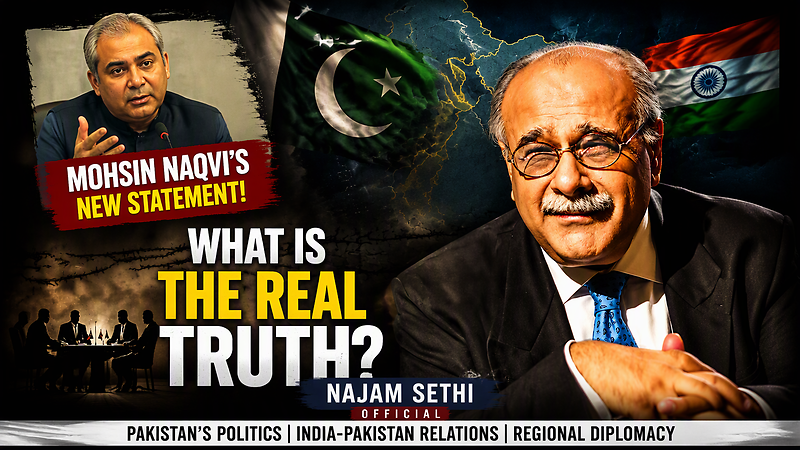
The debate surrounding India-Pakistan sporting ties continues to spark intense discussions among various content creators, revealing a deep divide between those advocating for a boycott or no-handshake stance and those arguing for keeping politics out of sports.
Najam Sethi, a prominent commentator, addresses recent statements made by Mohsin Naqvi, suggesting that Naqvi's remarks during discussions with Pakistani Prime Minister Shehbaz Sharif may have been misunderstood. In one video, Sethi summarizes Naqvi's claim that 'a better system would have increased Shehbaz Sharif’s success,' indicating that the current political climate is less than ideal for fostering positive sporting relations. He highlights that 'five years have been granted, guaranteeing the system and Shehbaz Sharif,' which suggests a degree of stability in the political arena that could impact sporting events.
In another perspective, Sethi elaborates on Naqvi's assertion that the 'presidential rule is not coming' and that the government will continue for another 2.5 years. This statement, according to Sethi, aims to quell speculation about governmental changes that could affect international sporting events. He argues that the security establishment is considering restructuring the political landscape to manage rising nationalism, especially in regions like Balochistan and Khyber Pakhtunkhwa, which could have ramifications for sports diplomacy.
Contrastingly, Nikhil Naz, a sports commentator, emphasizes the commercial aspect of sporting ties, particularly in the context of the World Cup. He notes that the grouping of India with Pakistan and Australia is designed to satisfy broadcasters who have a vested interest in maximizing viewership. Naz states, 'the new World Cup format has not previously been used,' implying that financial motivations drive scheduling decisions, particularly to facilitate India-Pakistan matchups. He suggests that this commercial focus overshadows political considerations, arguing that 'broadcasters influenced the format to enable India-Pakistan matches potentially three times.'
The divide between these perspectives illustrates a broader question about the role of politics in sports. While Sethi and Naqvi emphasize the importance of political stability and governance in fostering a conducive environment for sports, Naz argues that the financial incentives tied to broadcasting rights may overshadow these concerns.
Ultimately, the discussion raises significant questions about whether sports can remain a neutral ground amid political tensions. As the debate unfolds, it highlights the complex interplay between politics, governance, and the sporting world, suggesting that the future of India-Pakistan sporting ties will continue to be influenced by both political realities and commercial interests.