The Impact of Social Media on Our Thoughts and Emotions: A Divided Debate
Oct 25, 2026, 18:30 IST
Summary
The debate on social media's impact on our thoughts and feelings features diverse perspectives. Pranjal Kamra highlights the positivity of modern life despite negativity online, while Faye D'Souza emphasizes the depth of engagement lost in short-form content. Ajeet Bharti and Major Madhan Kumar raise concerns about children's isolation and the superficiality fostered by platforms like TikTok and Instagram.
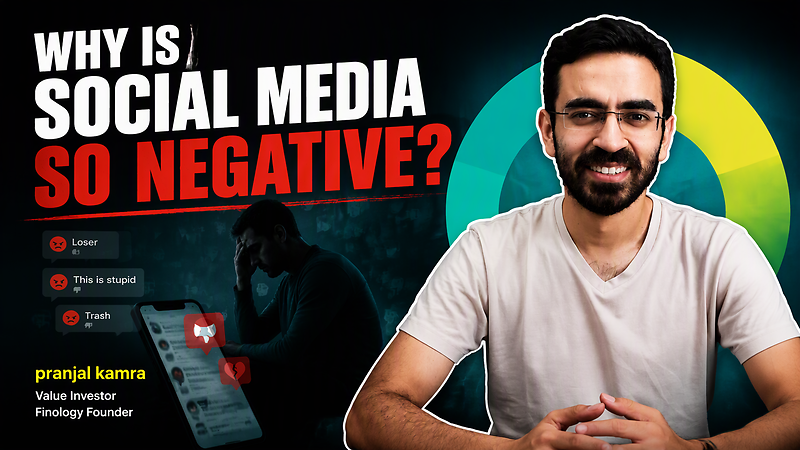
The debate over whether social media is altering our thoughts and feelings reveals a complex landscape of opinions. Pranjal Kamra, a popular financial educator, argues that social media amplifies negativity, stating that 'humans are more attracted to negative news.' He believes that while problems exist, today is the best time to be alive, with improvements in life expectancy and reductions in hunger and war. Kamra emphasizes that our brains are not equipped to handle the constant flow of global updates, leading to increased stress and hopelessness.
Conversely, Faye D'Souza, a prominent journalist and content creator, highlights the difference in cognitive engagement between reading and consuming short-form content. She claims that reading fosters deeper engagement through gradual investment in a storyline, whereas short-form videos offer superficial dopamine spikes that promote task-switching. D'Souza argues that this shift in how we consume information has significant implications for our ability to focus and engage meaningfully with content.
In a more critical tone, Ajeet Bharti, a popular content creator, discusses the isolation of children caused by social media. He references a pastor in a documentary who manipulates children into believing they are sinful, leading them to retreat into their rooms and hide their online activities from parents. Bharti paints a grim picture of today's youth, suggesting that social media is creating a 'zombie generation' that is disconnected from reality.
Bharti further elaborates on this theme in another video, where he discusses the dangers posed by platforms like TikTok, which he claims began the 'dumbing down of a generation.' He argues that TikTok's model, which rewards viral, often meaningless content, contributes to a culture of superficiality. He notes that while TikTok was banned in India due to its perceived harmful impact, Instagram continues to thrive, suggesting a failure in regulatory action against damaging social media practices.
Major Madhan Kumar, another content creator, underscores the potential for social media to be weaponized. He expresses concern that children’s personal information is at risk of misuse, contributing to a dangerous, isolated generation. Kumar's view aligns with Bharti's concerns about the psychological impact of social media, emphasizing the need for serious intervention.
While Kamra remains optimistic about the overall progress of humanity, D'Souza, Bharti, and Kumar highlight the detrimental effects of social media on attention spans, mental health, and social connections. This divergence illustrates a crucial tension: can social media, a tool for connection and information, also lead to isolation and superficiality? As these creators engage in this dialogue, they reveal the multifaceted effects of social media on our collective psyche, leaving viewers to ponder the true cost of our digital lives.