The Tug of War: Security vs. Surveillance in the Telegram Debate
Aug 9, 2026, 12:18 IST
Summary
The debate over Telegram's encryption highlights tensions between security and surveillance. Prakhar Gupta argues that breaking encryption undermines security, while Pragya Mishra notes government demands for content removal. Sandeep Deo suggests geopolitical factors complicate a ban, and Sanjay Dixit warns against stifling freedoms. Ruhez Amrelia raises concerns over app misuse, emphasizing the need for regulation.
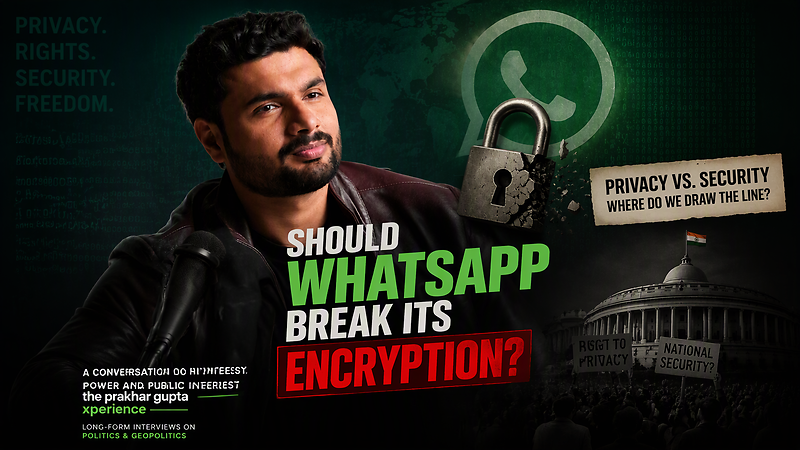
As Telegram faces increasing scrutiny from the Indian government, a debate is unfolding around the implications of its encryption and the balance between security and surveillance. Prakhar Gupta from the Prakhar Gupta Xperience argues that breaking encryption would undermine the security architecture that protects millions. He states, "WhatsApp's end-to-end encryption prevents even WhatsApp from reading conversations," emphasizing that security forces are looking for message originators in criminal cases. He warns that compromising encryption could weaken protections for many, a sentiment that raises concerns about the impact on democracy and personal privacy.
In contrast, Pragya Mishra from Ulta Chasma highlights the government's recent directive to Telegram to remove pirated content, suggesting that the platform's response to such demands indicates a vulnerability to government oversight. She notes, "The Information and Broadcasting Ministry ordered Telegram to remove channels distributing pirated films and OTT content," which raises questions about how much control the government can exert over platforms that are often touted for their security features.
Sandeep Deo from India Speak Daily presents a nuanced view, suggesting that while the government may wish to ban Telegram, its owner’s residence in the UAE complicates matters. He argues, "Permanent Telegram restrictions in India may be difficult because its owner resides in UAE," suggesting that geopolitical factors might shield Telegram from complete shutdown. Deo also implies that restricting Telegram could inadvertently benefit Meta platforms, which have faced their share of scrutiny regarding data privacy.
Meanwhile, Sanjay Dixit from The Jaipur Dialogues brings attention to the broader implications of data protection laws in India, arguing that social media companies are lobbying against regulations aimed at protecting minors. He claims, "The Supreme Court dismissed a blanket social media ban petition but issued concerning observations about Nepal," indicating a fear that similar regulations could stifle freedom of expression.
Ruhez Amrelia raises alarms about the potential dangers of apps in general, claiming that some applications misuse user data, leading to dangerous situations. He states, "People are misusing the app to remotely disable vehicles, causing traffic and accidents," which underscores the need for stringent regulations on technology that could pose threats to public safety.
As this debate continues, it becomes clear that perspectives on Telegram and encryption are deeply intertwined with broader concerns about data privacy, government oversight, and the balance between security and freedom. Each creator contributes to a rich dialogue, revealing the complexities of a digital landscape where encryption is both a shield and a point of contention.
The conversation surrounding Telegram reflects wider anxieties about how technology interacts with governance, personal freedom, and security in a rapidly evolving digital world.